The US-Iran Memorandum of Understanding was signed at Versailles, lifting the naval blockade of Iranian ports. It starts a 60-day clock for a final deal, but Vance's first move, a Switzerland trip to begin talks, was postponed before it started. Iran's supreme leader called the agreement made "out of desperation." [160][164]›
Democratic socialists swept major primaries on Wednesday. Janeese Lewis George won DC's Democratic mayoral primary with 52.9% of the vote, paving the way for a democratic socialist to govern the nation's capital. Zohran Mamdani, already New York's mayor, is consolidating power in down-ballot races. [156][176][177]›
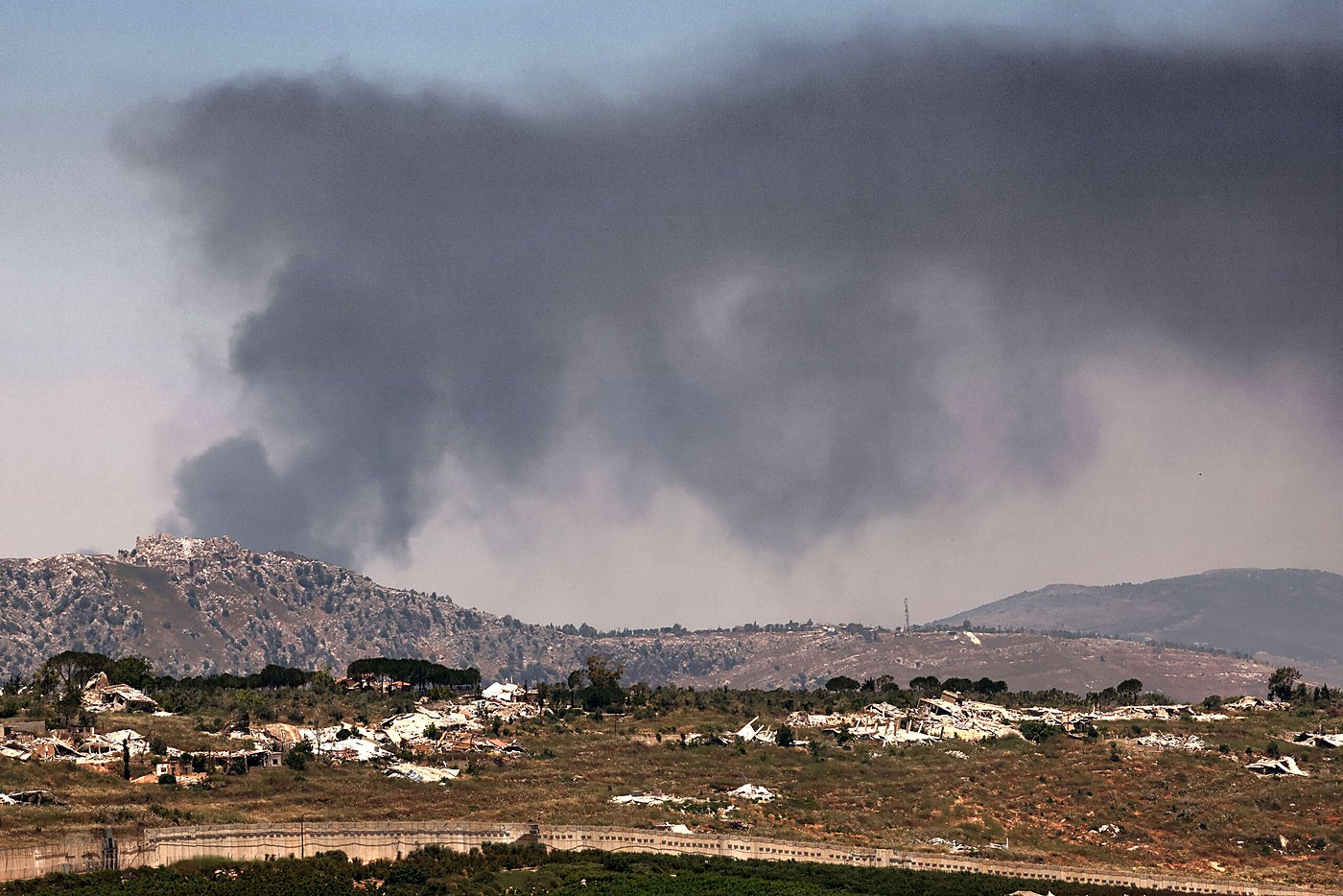
Israel struck Lebanon hours after the US-Iran agreement was signed, and AP reported four Israeli soldiers killed in southern Lebanon as fighting intensified. The EU announced it will not lift its Iran sanctions until a formal nuclear deal is reached. [161][165]›
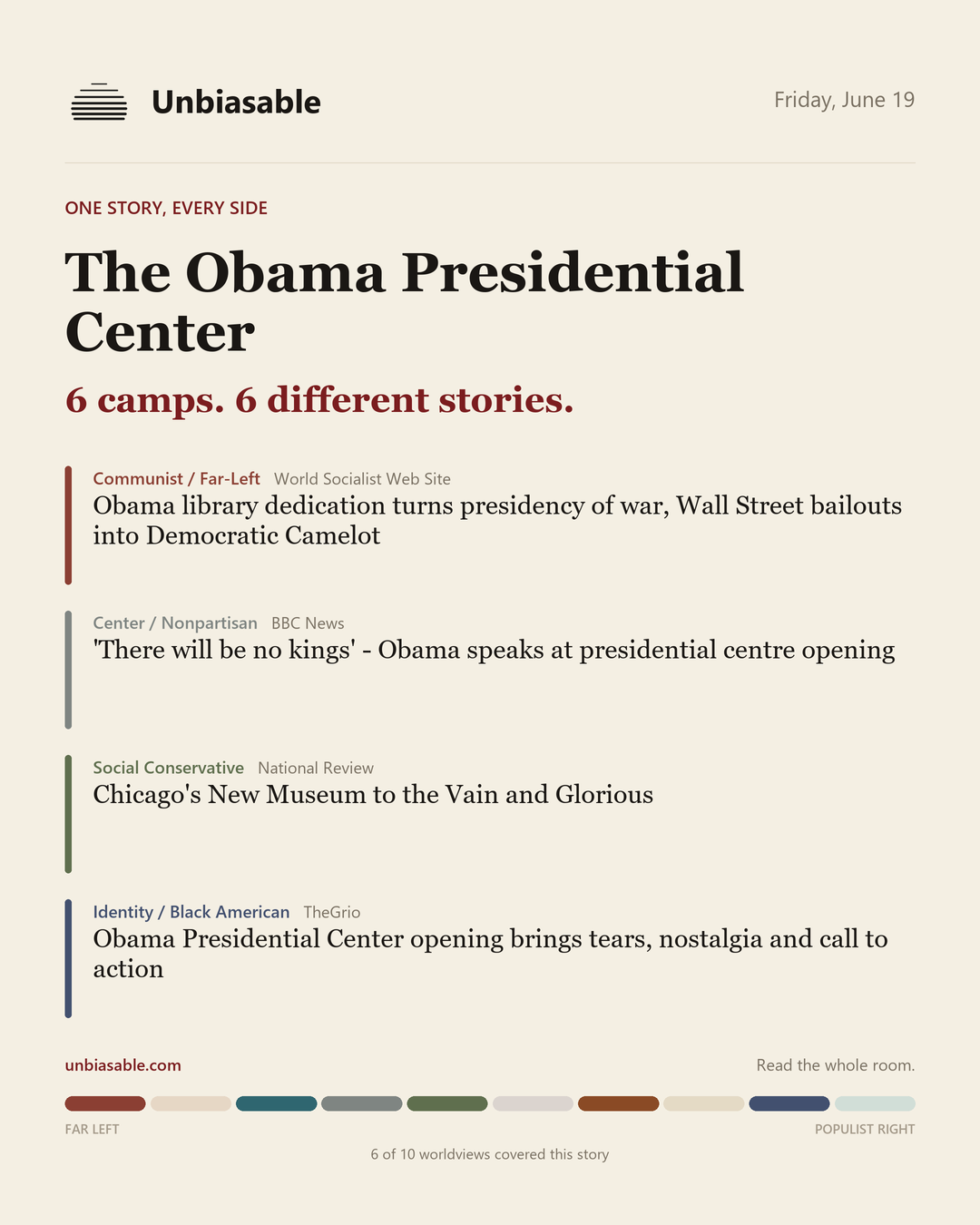
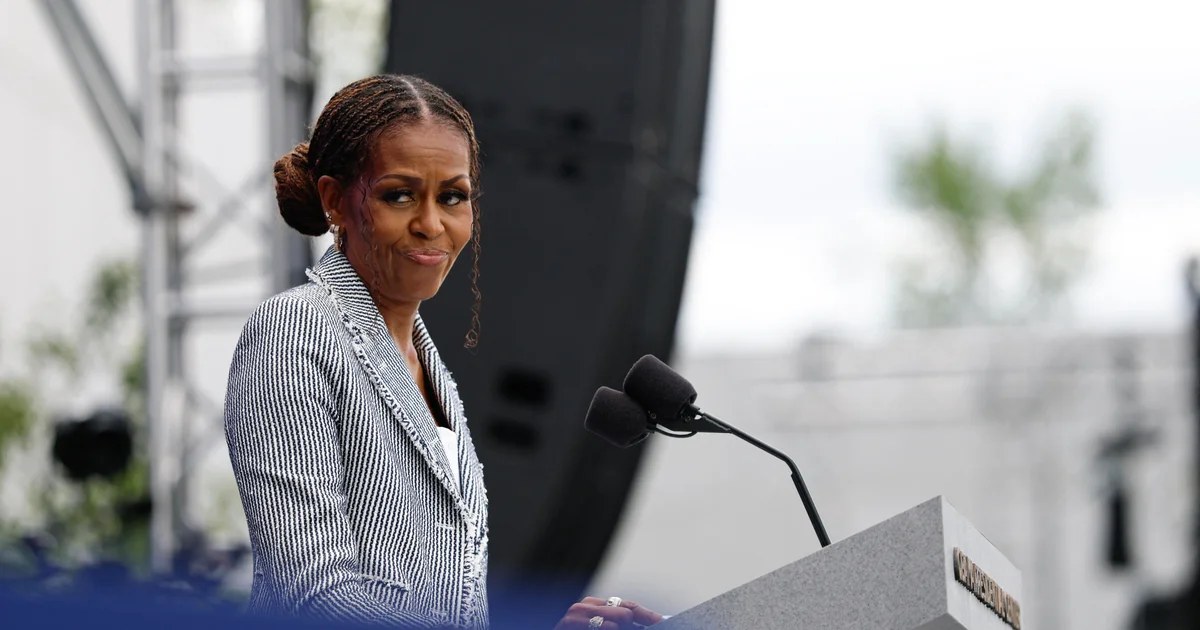
Obama's Presidential Center opened in Chicago. Obama said "there will be no kings," drew direct contrasts with the current political moment, and drew tears with a speech from Michelle Obama. Bruce Springsteen and Stevie Wonder performed. [167][174][183]›
05
US gas prices fell below $4 a gallon for the first time since March. They remain 25% higher than a year ago. [180]
Story Comparisons: the same event, in each side’s words
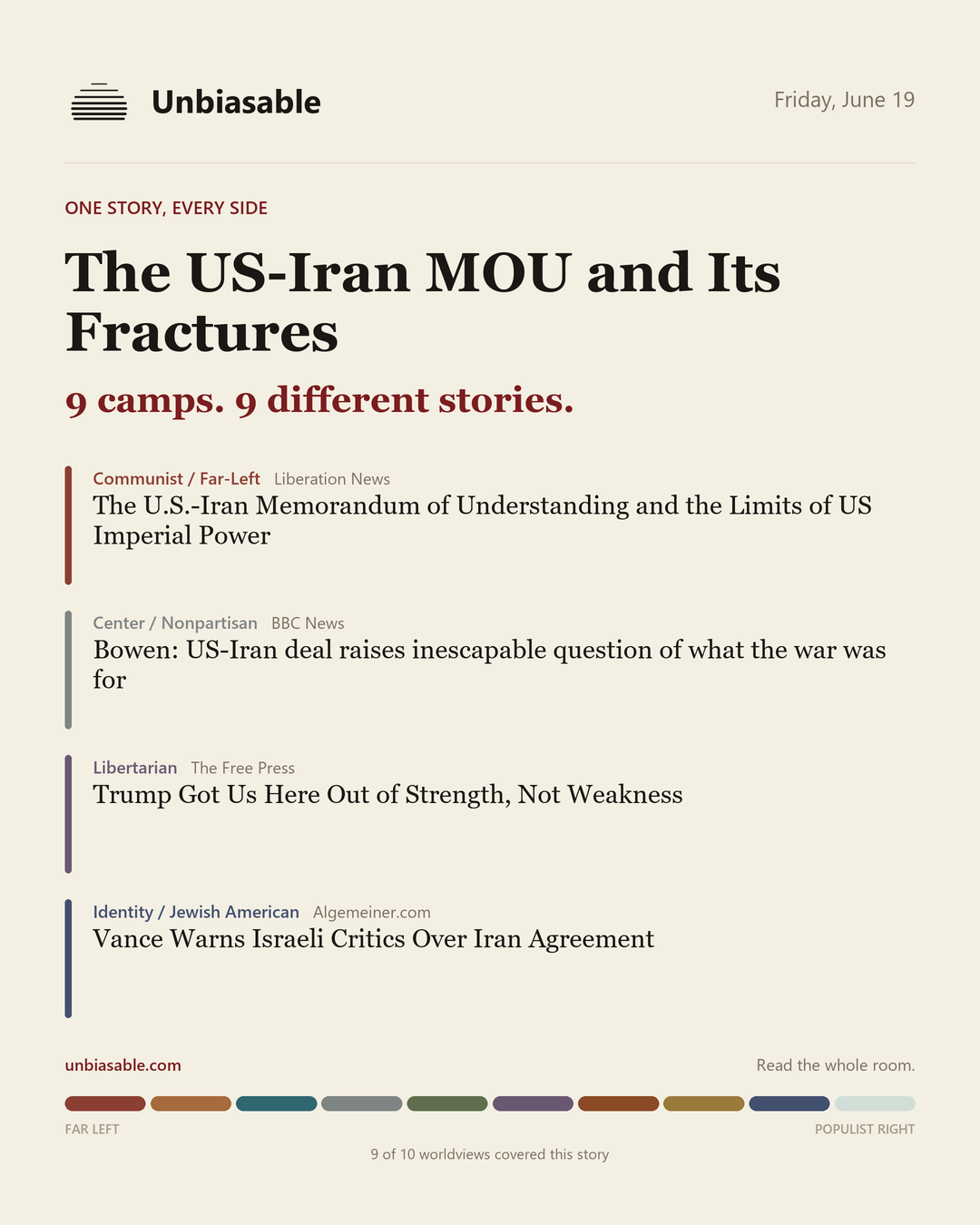
The US-Iran MOU and Its Fractures
The deal answers whether America will keep fighting. It doesn't answer who wins the sixty days that follow.
01Vance's scheduled trip to Switzerland to begin follow-on talks was postponed before it started. [160] Israel struck Lebanon in the hours after the agreement was signed. [161] Four Israeli soldiers were killed in southern Lebanon. [443] The EU announced it will not lift its own Iran sanctions until a formal nuclear deal is reached. [458] The deal faces congressional skepticism: Ted Cruz called it handing billions to "theocratic lunatics." [347]3 ideologies
02DISPUTED: Multiple MAGA and libertarian outlets report polling showing strong majority support for the deal [317][339].sources conflict
7 source groups in today’s recordNo relevant coverage found from Tech
How each side framed it
Far Left“The U.S.-Iran Memorandum of Understanding and the Limits of US Imperial Power”Liberation News
"Geostrategic defeat for U.S. imperialism." Liberation News reads the MOU as evidence that US military power has real limits: Iran held, and America blinked. This is treated not as a peace win but as a structural exposure. The ceasefire doesn't undo what the left sees as the fundamental crime, a war fought on behalf of empire.
"Stepped off the escalation trap." CounterPunch, unusually, credits Trump for deescalation. This is the anti-war left giving credit where due, while holding no brief for Trump's broader agenda.
"Bipartisan conspiracy for war." The WSWS reads Democratic criticism of the deal as revealing: both parties wanted war and only Trump's political need for an exit made the ceasefire possible. This is the WSWS's consistent framing that there is no meaningful difference between the parties on imperial policy.
"Assures Israel-firsters." Cenk Uygur and Ana Kasparian name the audience Hannity is speaking to, which mainstream political media generally does not. The framing treats Hannity not as a journalist but as a faction manager reassuring a specific constituency that the war isn't actually over.
"Finally snaps." Pence's Iran deal criticism, coming from a former vice president and evangelical favorite, is read as a signal that the deal's domestic political coalition is fragile. Kyle Kulinski treats Pence's break as significant factional news.
"Risky gambit." CNN centers the political stakes for Vance personally. The analysis frames the 60-day clock as a political test as much as a diplomatic one. If the deal collapses, Vance owns the failure.
"Accomplished nothing." Human Rights Watch's Kenneth Roth frames the MOU as self-indictment: Iran kept its nuclear capability, the war cost thousands of lives, and the US ends up roughly where it started. The framing is that the war was both unjust and pointless.
"Wishful thinking." The Guardian editorial characterizes the full arc of Trump's Iran policy as fantasy meeting reality. No military objective was achieved. The ceasefire is presented as capitulation dressed as triumph.
"Inescapable question." Jeremy Bowen's dispatch is the sharpest single sentence in today's coverage. He doesn't answer the question. He names it as the question everyone is avoiding. That restraint is itself a verdict.
"A pittance." The $300 billion redevelopment fund in Trump's deal dwarfs the sanctions relief in the 2015 JCPOA. This Republican senator's comparison is meant to embarrass Trump by using his own Iran-deal criticism against him.
"Start acting like it." The Federalist, generally aligned with hawkish Israel support, runs Vance's warning to Israeli critics as a reasonable American-interest statement. The MAGA base has shifted: Israel's leverage over US policy is now a legitimate public topic.
"Praise Jesus." The Christian Post frames the deal's legitimacy through papal endorsement and Vance's evangelical register. The deal's reception is filtered through spiritual authority, not strategic analysis.
"Only ally." The Algemeiner runs Vance's warning to Israel's cabinet with the register of genuine alarm. The Jewish American press is tracking a shift: the American political figure most reliably supportive of Israel is now warning Israel to stop complaining or risk losing that support.
"Hezbollah expects cash infusion." This is the Algemeiner naming the most concrete fear in the Jewish American press: that Iranian sanctions relief flows directly to Hezbollah's military budget. Israel staying in Lebanon reads as defensive positioning against that possibility.
"One loser." AJ+ names Netanyahu's Israel as the deal's political loser. The framing is direct: US-Iran normalization is Israeli maximalism's defeat, and this particular outcome serves Palestinian interests even if it doesn't address Gaza directly.
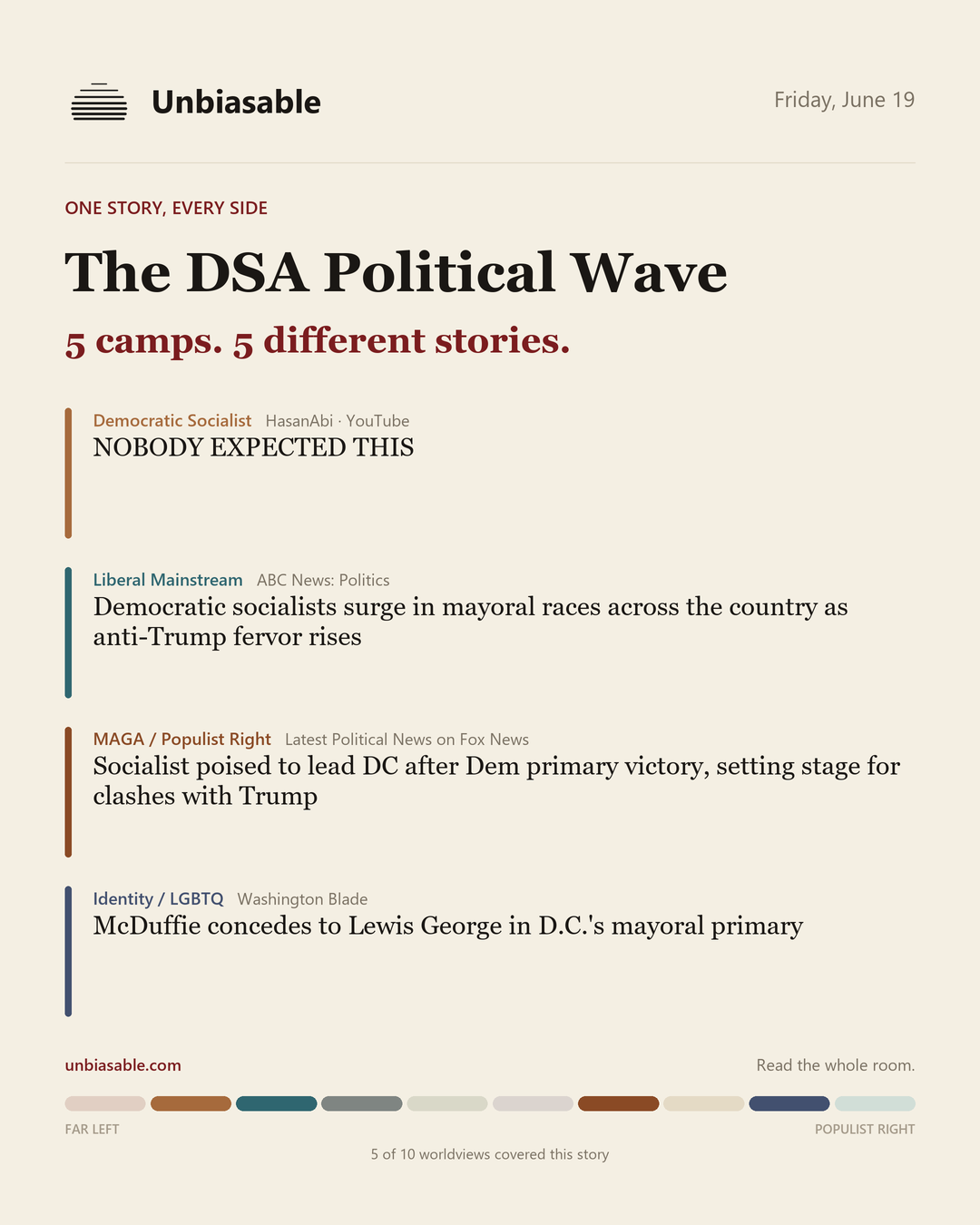
"Nobody expected this." Hasan Piker spent nearly an hour in near-disbelief at Lewis George's margin. His audience had been told for months that DC's political machine was too entrenched. The "nobody expected this" framing is partly accurate: the polling understated her lead.
"Anti-Trump fervor." ABC's frame makes the DSA wave a symptom of backlash rather than an independent political movement. This is the establishment's most comfortable read: the socialists are winning because Trump is so bad, not because socialism is appealing.
"Clashes with Trump." Fox frames the Lewis George win as a coming confrontation. DC is a federal city subject to congressional oversight. A DSA mayor governing the capital under a Trump White House is a specific political conflict Fox finds worth emphasizing.
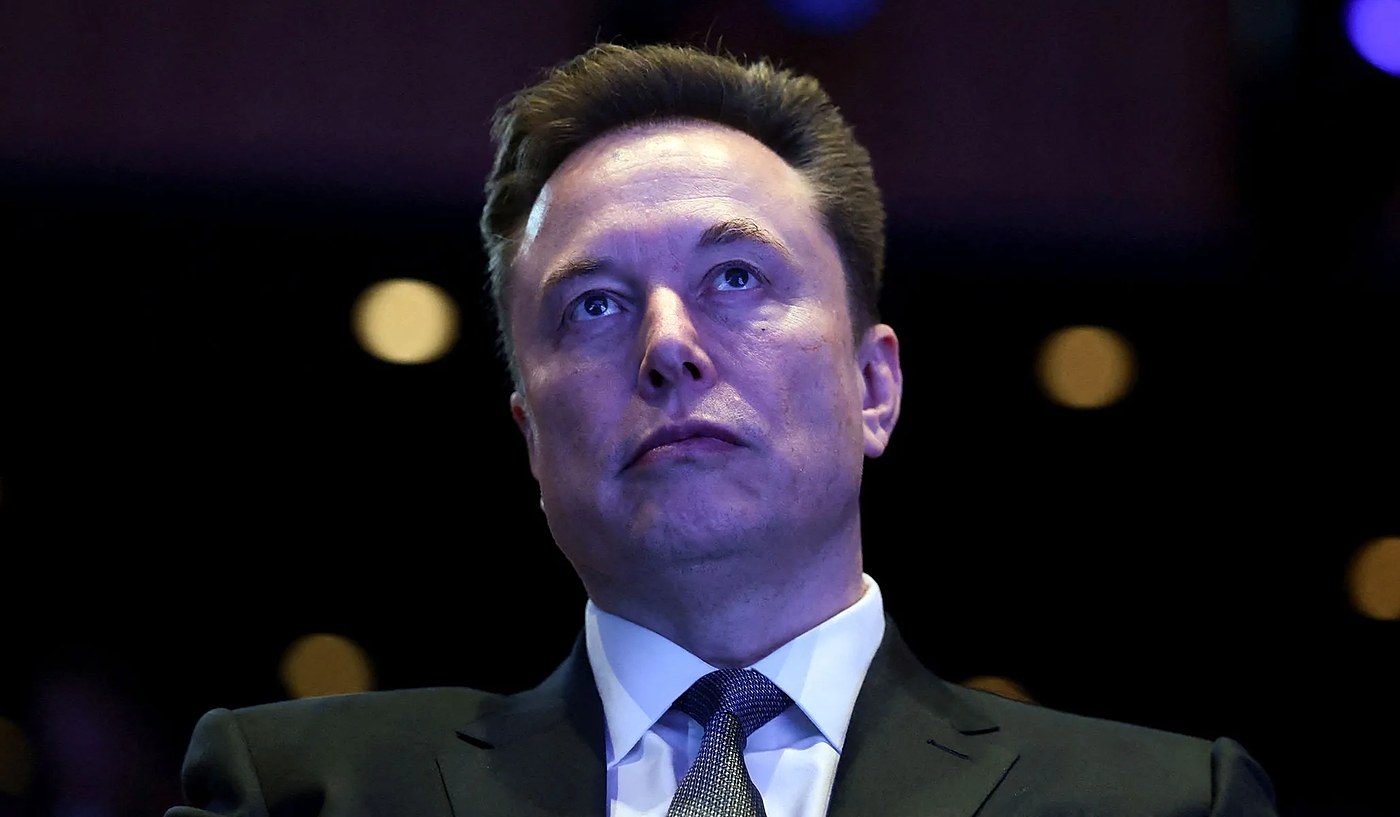
01SpaceX holds $22 billion in lifetime federal commitments and received $6.45 billion in new US Space Force contracts in May 2026, weeks before the IPO (TechCrunch).
5 source groups in today’s recordNo relevant coverage found from Democratic SocialistLibertarian
How each side framed it
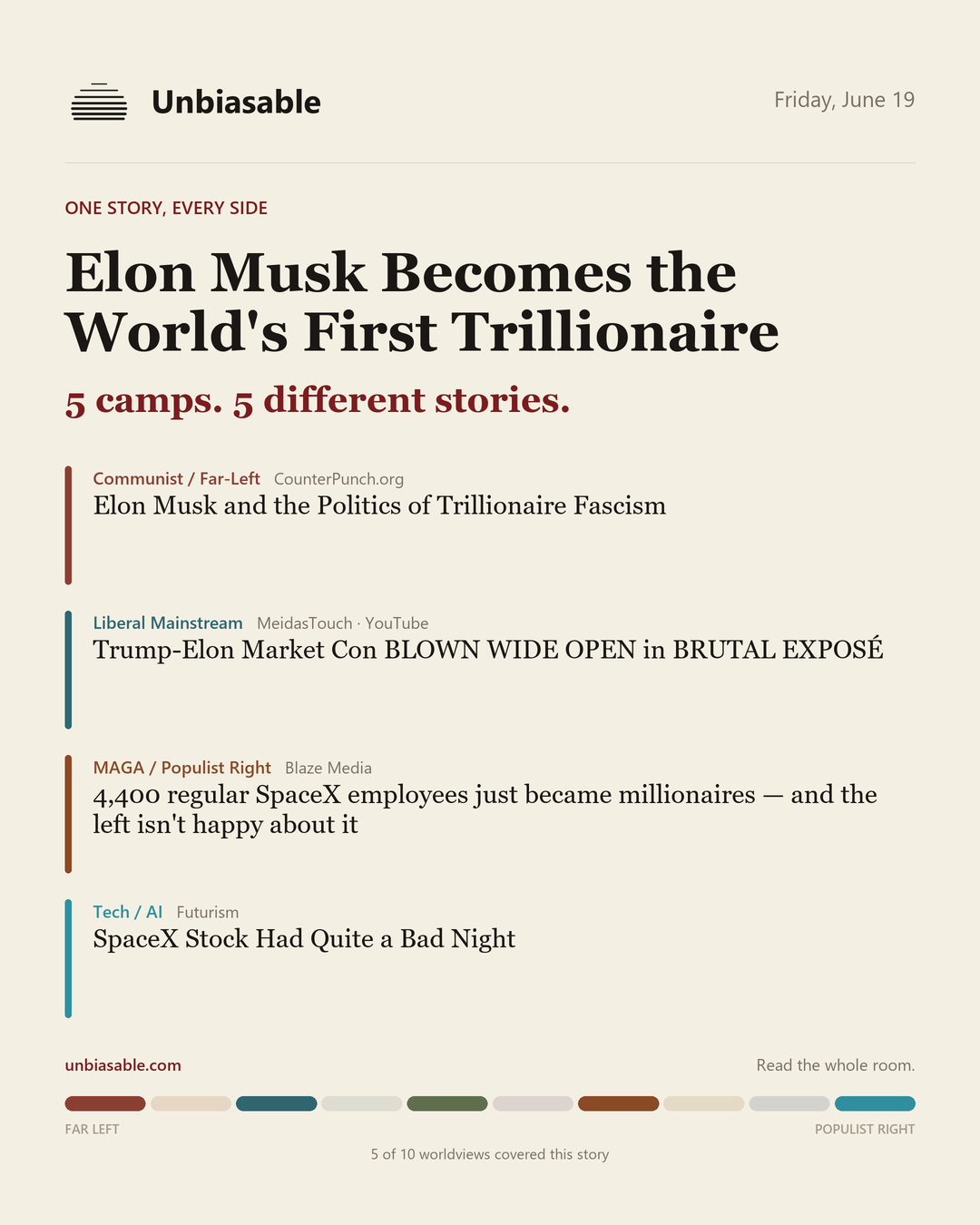
Far Left“Elon Musk and the Politics of Trillionaire Fascism”CounterPunch.org
"Trillionaire fascism." CounterPunch uses the word deliberately. The argument is not that Musk is a fascist in the historical-movement sense but that extreme wealth concentration fused to state power, which describes Musk's relationship to the US military-industrial complex, is a structural form of fascism. The title is a thesis, not a slur.
"Solidly entrenched." The second CounterPunch piece grounds the Musk milestone in data on wealth concentration. The milestone is framed as evidence of a structural condition, not an individual achievement.
"Market con." MeidasTouch connects Musk's wealth to Washington Post reporting on $38 billion in government subsidies across Musk's companies and notes that SpaceX stock fell on its opening day. The framing treats the trillionaire milestone as a valuation that doesn't survive scrutiny.
"Attacks on America." National Review frames Musk's wealth as a proxy for American achievement and entrepreneurship. Criticism of his net worth is read as envy-driven hostility to success itself. This is the purest articulation of the conservative wealth-as-virtue argument.
"The left isn't happy about it." The Blaze centers the employees, not the CEO. The implicit argument is that anger at Musk misses who actually benefited: working-class engineers and technicians, not just executives. This is populist capitalism's strongest case.
"Dutch East India Company." This is the most unexpected framing from a MAGA outlet: a critique of SpaceX's monopoly power dressed in historical analogy. The Dutch East India Company, which held a state-granted monopoly over Asian trade and operated its own army, is not a compliment. The Federalist is signaling anxiety about SpaceX's market dominance that it rarely applies to other companies.
"Quite a bad night." Futurism, the tech-critical outlet, leads not with the trillion-dollar valuation but with the stock's actual first-day performance. The juxtaposition of milestone and market reality is the argument.
For eight years Barack Obama occupied an office whose tenant now calls his successor's "builder-in-chief." The dedication was a proxy war over which version of America is real.
"Democratic Camelot." WSWS refuses the nostalgia. Obama expanded drone warfare, bailed out Wall Street without prosecuting bankers, and deported more people than any president before him. The star-studded dedication is read as myth-making that serves the Democratic Party's institutional interests.
The CBS frame is entirely personal and emotional. The political substance of Obama's remarks is secondary to the image of a president in tears watching his wife speak. This is the liberal mainstream's preferred register for Obama: warmth and dignity in contrast to the current moment.
"There will be no kings." BBC leads with the political message, not the personal moment. The contrast with CBS is instructive: the same ceremony, and a different editorial judgment about what matters.
"Knocks Founders." Fox reads Obama's honest remark that the Founders "fell terribly short" as an attack on American heritage, timed for maximum contrast with the upcoming 250th anniversary. The framing is designed to anger a specific audience.
"Builder-in-Chief." The Trump White House used the dedication to run its own counter-narrative: that Trump, unlike Obama, builds things fast. The political move was to treat the Obama Center's eleven-year construction timeline as a contrast to Trump's self-proclaimed efficiency.
"Unpaid subcontractors." Breitbart's lead is not the ceremony but the financial dispute. The populist frame is that the celebrity event obscures the workers who built it and weren't paid. This is the most concrete populist critique of the occasion.
"Tears, nostalgia and call to action." For Black American media, the center's opening carries weight that no other outlet can fully access: the first Black president's legacy, rooted in the South Side of Chicago, opened during an administration that has dismantled federal civil rights enforcement. The emotional register is earned, not manufactured.
The Blade reads the dedication through what was said about marriage equality and LGBTQ rights, not just what was said about democracy. Obama's legacy on LGBTQ rights is more complicated than either the liberal or MAGA press acknowledges. The Blade doesn't paper over it.
"Pride is canceled." Tim Pool's framing treats the forfeit as a victory, a sign that corporate social mandates are losing their grip on athletes. The caps-lock register signals celebration, not analysis.
"Mass abuse." The Federalist characterizes the NYT's reporting on the Pride Night controversy as a slur against Christian athletes: that the mere presence of Bible verses on jerseys causes harm. The framing treats religious expression as the object of persecution, not the refusal to participate.
"Attendance numbers reveal the truth." The Blaze looks at Giants fan attendance at the Pride Night game as a referendum. The claim is that the Christian players' protest didn't hurt attendance, which is read as evidence that most fans agree with the players.
"Refuse to wear." The Advocate's neutral verb, "refuse," carries the entire weight. The framing treats the players' choice as a decision to exclude, not as a protected expression of faith. LGBTQ fans who attended for Pride Night experienced a cancelled game. That's the Advocate's story.
"2,000 missiles." Novara leads with the specific number, grounding the AI deployment in concrete violence. The implicit argument is that the human cost of algorithmic targeting is not abstract.
"Elon Musk's Grok AI." Futurism reports the factual claim without attributing intent. The headline does the work: the world's first trillionaire's AI product was used in lethal military operations on the same day he became a trillionaire.
"Making up its rules." Wired's piece on Anthropic's export control conflict is the companion to the Futurism piece: while Grok was already deployed militarily, the regulatory framework governing AI in conflict is still being invented. No rules existed when Grok was first used.
Iran's $300 billion redevelopment fund has no named financing source.[193] The most likely candidates are Gulf sovereign wealth funds, with Saudi Arabia and the UAE having the strongest incentive to stabilize Iran's economy as a regional consumer market. The AIPAC-aligned United Democracy Project, which spent over $25 million in TV advertising against the 2015 JCPOA and now holds nearly $100 million for the 2026 cycle, is positioned to fund primary challenges against any senator who votes to ratify a final deal. (OpenSecrets)
SpaceX's trillionaire moment is built on federal contracts. SpaceX received $6.45 billion in new Space Force contracts in May 2026, weeks before its IPO filing, and holds $22 billion in lifetime federal commitments. One-fifth of its 2025 revenue came from government agencies. (TechCrunch) The same company's AI system was used in Iran targeting operations. The MeidasTouch [152] report connecting SpaceX's government revenue to Musk's valuation is the only editorial piece that made this argument explicitly.›
The DSA wave is defeating the national Democratic party apparatus in primaries. Janeese Lewis George beat the establishment-backed Kenyan McDuffie in DC. Matt Dunlap beat the DCCC-backed candidate in Maine's congressional primary. [185] Mamdani's endorsed candidates performed well in New York City council races. [176] The DCCC has lost multiple consecutive primaries to left challengers in safe Democratic jurisdictions, which raises a structural question about whether national party spending in primaries is counterproductive in 2026.›
Hezbollah's post-deal cash position is the immediate military question. Algemeiner [461] reports that Hezbollah is anticipating a cash infusion from Iranian sanctions relief under the MOU. Israel struck Lebanon the same day the deal was signed. If even a fraction of the $300 billion redevelopment fund reaches Iran's military budget, it will flow to Hezbollah. No editorial outlet examined the mechanism or timeline.›
Grok AI was used in Iran bombing operations without public regulatory framework. Futurism [568] reports the US military deployed Musk's Grok AI in targeting operations during the war. WIRED [616] reports the AI regulatory framework is still being written in real time. A private company's AI system was used lethally in a combat zone under no public legal architecture. The public record on how those decisions were made is nonexistent.›



 “The U.S.-Iran Memorandum of Understanding and the Limits of US Imperial Power”
Liberation News
“The U.S.-Iran Memorandum of Understanding and the Limits of US Imperial Power”
Liberation News
 “Trump Just Stepped Off the Escalation Trap and Ended the Iran War”
CounterPunch.org
“Trump Just Stepped Off the Escalation Trap and Ended the Iran War”
CounterPunch.org
 “Democratic condemnation of Trump's Iran deal exposes bipartisan conspiracy for war”
World Socialist Web Site
“Democratic condemnation of Trump's Iran deal exposes bipartisan conspiracy for war”
World Socialist Web Site
 “Sean Hannity Assures Israel Firsters That War Is Not Over”
The Young Turks
“Sean Hannity Assures Israel Firsters That War Is Not Over”
The Young Turks
 “'If it doesn't work out, I'm blaming JD': Vance's risky gambit on Iran peace efforts”
CNN
“'If it doesn't work out, I'm blaming JD': Vance's risky gambit on Iran peace efforts”
CNN


 “Bowen: US-Iran deal raises inescapable question of what the war was for”
BBC News
“Bowen: US-Iran deal raises inescapable question of what the war was for”
BBC News

 “Vance Issues Reality Check To Israel: America Is Your Only Ally, Start Acting Like It”
The Federalist
“Vance Issues Reality Check To Israel: America Is Your Only Ally, Start Acting Like It”
The Federalist
 “JD Vance says 'Praise Jesus' in response to papal approval of Iran deal”
The Christian Post
“JD Vance says 'Praise Jesus' in response to papal approval of Iran deal”
The Christian Post
 “Vance Warns Israeli Critics Over Iran Agreement: Trump Is Your Only Ally”
Algemeiner.com
“Vance Warns Israeli Critics Over Iran Agreement: Trump Is Your Only Ally”
Algemeiner.com