
One of the ten worldviews
The center-right
The center-right is the establishment, free-market wing of American conservatism: free trade, limited government, fiscal discipline, and a hawkish internationalism, institutionalist by temperament and defined as much by its resistance to populism as by its opposition to the left.
What is the center-right?
The Establishment / Center-Right is the free-market, institutional right that ran the Republican Party from Reagan until the MAGA realignment. It fuses classical-liberal economics, free markets, free trade, low taxes, light regulation, with a conservative temperament and a hawkish, internationalist foreign policy. Its frame is economic and institutional rather than moral or scriptural.
Its intellectual core is "fusionism," the postwar synthesis Frank Meyer and William F. Buckley Jr. built at National Review (founded 1955): the marriage of free-market economics and traditional values under a shared anti-statism. To it was later added neoconservatism, the muscular, pro-democracy internationalism of Irving Kristol and the magazine Commentary, and the supply-side economics of the Reagan era.
What most sharply defines it today is what it opposes. It is the GOP establishment that MAGA rebelled against: it defends free trade against tariffs, immigration as an economic good, alliances and American leadership abroad, and constitutional limits against populist disruption. It is solidly on the right, not the center, but it distrusts demagoguery and worries about executive overreach regardless of party.
Core beliefs
- Free markets. Capitalism, free trade, low taxes, and light regulation are treated as the engines of prosperity and freedom, following Hayek and Friedman.
- Limited government. A preference for a smaller federal state, restrained spending, and decisions made closer to the citizen.
- Fiscal discipline. Deficits and debt are recurring alarms; balanced budgets and entitlement restraint are core commitments.
- Hawkish internationalism. American leadership abroad, strong alliances, a well-funded military, and skepticism of retreat, the Reaganite and neoconservative inheritance.
- Institutionalism. Respect for constitutional limits, the rule of law, and established institutions, and wariness of populist strongmen of any party.
- Anti-populism. Defined against MAGA: free trade over tariffs, immigration as an asset, and prudence over disruption.
Where it comes from
Modern American conservatism was assembled in the 1950s. William F. Buckley Jr. founded National Review in 1955 and, with Frank Meyer, forged "fusionism," the union of free-market libertarians and traditionalists against the New Deal state and Soviet communism.
Its economics came from the classical-liberal revival of Friedrich Hayek (The Road to Serfdom, 1944) and Milton Friedman (Capitalism and Freedom, 1962). Its foreign policy hardened into neoconservatism in the 1970s, as Irving Kristol, Norman Podhoretz, and the magazine Commentary, many of them former liberals "mugged by reality," made the case for assertive American power.
Ronald Reagan fused these strands into a governing coalition in the 1980s. For a generation the Wall Street Journal editorial page, National Review, and Commentary were the establishment of the right. Since 2016 that establishment has been displaced by MAGA populism, and much of it spent the Trump era in open tension with the party’s base, a split this lens now tracks.
Key thinkers
- Friedrich Hayek. The Road to Serfdom (1944); the case that economic planning threatens liberty.
- Milton Friedman. Capitalism and Freedom (1962); free markets as the basis of political freedom.
- William F. Buckley Jr.. Founded National Review (1955); built the modern conservative movement.
- Frank Meyer. Theorist of "fusionism," the synthesis of freedom and tradition.
- Irving Kristol. The "godfather of neoconservatism"; Commentary and The Public Interest.
- Ronald Reagan. Fused free markets, anti-communism, and optimism into a governing coalition.
The main varieties
- Fusionism. The classic National Review synthesis of free-market economics and traditional values under a shared anti-statism.
- Neoconservatism. A muscular, pro-democracy internationalism (Kristol, Podhoretz, Commentary), hawkish on foreign policy.
- Supply-side / free-market. The tax-cutting, deregulatory economics of the Wall Street Journal editorial page and the Reagan revolution.
- NeverTrump / anti-populist. The wing (National Review’s 2016 "Against Trump" issue, The Dispatch, The Bulwark) that broke with the party over MAGA.
Common misconceptions
- “"Center-right" means moderate or centrist.” It is solidly on the right: free markets, hawkish foreign policy, limited government. The "center" marks its establishment, anti-populist character, not a position near the middle.
- “It is the same as MAGA.” It is the establishment MAGA rebelled against. It backs free trade over tariffs and institutions over disruption; National Review ran an entire "Against Trump" issue in 2016.
- “It is the same as libertarianism.” It shares the free-market economics but, unlike libertarians, embraces a strong national-security state, an activist foreign policy, and a conservative cultural temperament.
- “It is primarily a moral or religious movement.” Its frame is economic and institutional. It will defend religious liberty as a constitutional matter, but it reads politics through markets and institutions, not scripture, which is the religious right.
How it differs from neighboring worldviews
- vs MAGA / Populist Right. Both are on the right, but they are rivals: the center-right backs free trade, immigration, alliances, and institutional limits, while MAGA embraces tariffs, immigration restriction, and populist disruption of those same institutions.
- vs Libertarian. They agree on free markets, but the center-right accepts a strong military and an activist, internationalist foreign policy that libertarians reject as costly and interventionist.
- vs Religious Right. Both sit on the right, but the center-right’s frame is economic and institutional (markets, trade, defense), while the religious right reads politics first through faith and moral order.
How Unbiasable reads the Establishment / Center-Right lens
In the brief, the center-right lens reads news through markets, institutions, and the national interest. Tariffs are self-defeating, fiscal discipline matters, alliances are worth keeping, and populism, left or right, is a threat to sound governance. It defends the constitutional order as a value, not just a tool.
We analyze outlets like National Review, The Dispatch, City Journal, and the Wall Street Journal editorial page for it. Watch where it breaks with the populist right, on trade, immigration, Ukraine, or executive power, which is the tell that separates the establishment right from MAGA.
See it in practice in the daily briefs, or step back to all ten worldviews side by side.
The outlets we read for this lens
Establishment / Center-Right coverage in the brief comes from these outlets. Each link explains why we file the outlet here and what to expect from its framing.
- National Review. Free-market and constitutional argument, a hawkish internationalism, and criticism of the populist right as often as the left.
- Wall Street Journal. Free-market editorials, rigorous business reporting, and a clear wall between the newsroom and the conservative editorial page.
- The Dispatch. Reported, footnote-minded conservatism, legal analysis taken seriously, and criticism of MAGA politics from the right rather than the left.
- The Bulwark. A running argument with MAGA, defense of democratic institutions in conservative vocabulary, and sympathy for the pre-2016 Republican Party.
- City Journal. Long-form policy argument on cities, crime, and schools, a critique of progressive governance, and think-tank sourcing throughout.
- Washington Examiner. Fast Beltway coverage from the right, Republican politics reported from the inside, and sharper opinion sitting alongside straight beat reporting.
- The Economist. Unbylined house-voice analysis, a confident free-market frame on economics, and impatience with both left populism and right populism.
The issues Establishment / Center-Right outlets covered most
Each issue page sets their coverage beside the other worldviews and lists the people on the record.
Further reading
The case, and the critique
Paid links. If you buy a book through these links, Bookshop.org pays us a small commission and sends a share of the sale to independent bookstores.
-
Makes the case
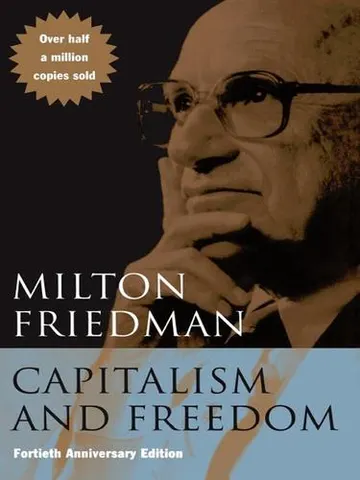
Capitalism and Freedom (opens Bookshop.org)
Milton Friedman · 1962
Nobel economist Milton Friedman argues that competitive markets protect political freedom, and proposes school vouchers, a negative income tax and other limits on the government's role.
-
Makes the case
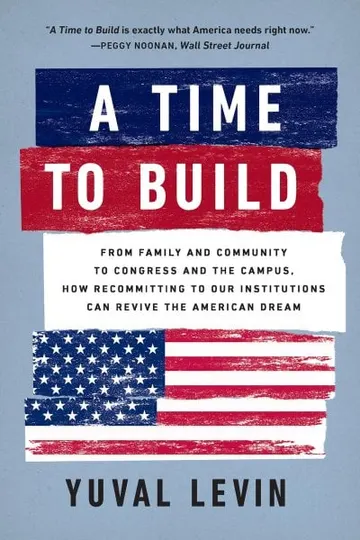
A Time to Build (opens Bookshop.org)
Yuval Levin · 2020
Conservative writer Yuval Levin argues that Americans have shifted from using institutions to form character to using them as platforms for performance, and that rebuilding them is the task of reform.
-
The critique
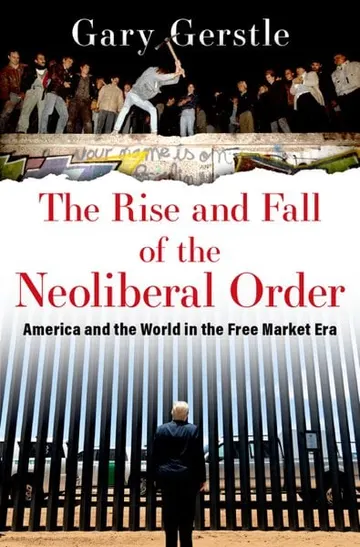
The Rise and Fall of the Neoliberal Order (opens Bookshop.org)
Gary Gerstle · 2022
Cambridge historian Gary Gerstle traces how the free-market consensus of Reagan and Clinton took hold and argues that its own contradictions and the 2008 crisis brought it down.
Frequently asked
What is the center-right in simple terms?
The establishment, free-market wing of the right: free trade, low taxes, limited government, and a strong, internationalist foreign policy. It is conservative but institutionalist, and it defines itself against populism.
Does "center-right" mean moderate?
No. It is firmly on the right. "Center" here signals its establishment, anti-populist character, the mainstream conservative establishment, not a position near the political center.
What is the difference between the center-right and MAGA?
They are rivals on the right. The center-right backs free trade, immigration, and alliances and defends institutions; MAGA embraces tariffs, immigration restriction, and populist disruption. This is the GOP establishment MAGA displaced.
What is the difference between the center-right and libertarianism?
They share free-market economics, but the center-right supports a strong military and an activist foreign policy, while libertarians want a minimal state at home and non-intervention abroad.
What is fusionism?
The postwar synthesis, built by Frank Meyer and William F. Buckley Jr. at National Review, that married free-market economics and traditional values under a shared opposition to big government.
What is neoconservatism?
A hawkish, pro-democracy internationalism associated with Irving Kristol, Norman Podhoretz, and Commentary, that argues for assertive American power abroad. It is the foreign-policy strand of the establishment right.
Who speaks for the center-right?
Institutionally, outlets like National Review, Commentary, City Journal, and the Wall Street Journal editorial page, and the "NeverTrump" conservatives at The Dispatch and The Bulwark.
References and further reading
- Conservatism · Stanford Encyclopedia of Philosophy
- Neoconservatism · Encyclopaedia Britannica
- Beyond Red vs. Blue: The 2026 Political Typology · Pew Research Center
External sources are provided for verification. Unbiasable is independent and not affiliated with them.
Every side, every morning
The center-right is one view of the room. See all ten.
One short brief lays the same news across ten worldviews, in each camp’s own words. Free every morning.
Arrives around 6am ET. Free, and it stays that way.
Cancel anytime. Nothing on the site goes behind a paywall.
One payment through Stripe. No account needed.