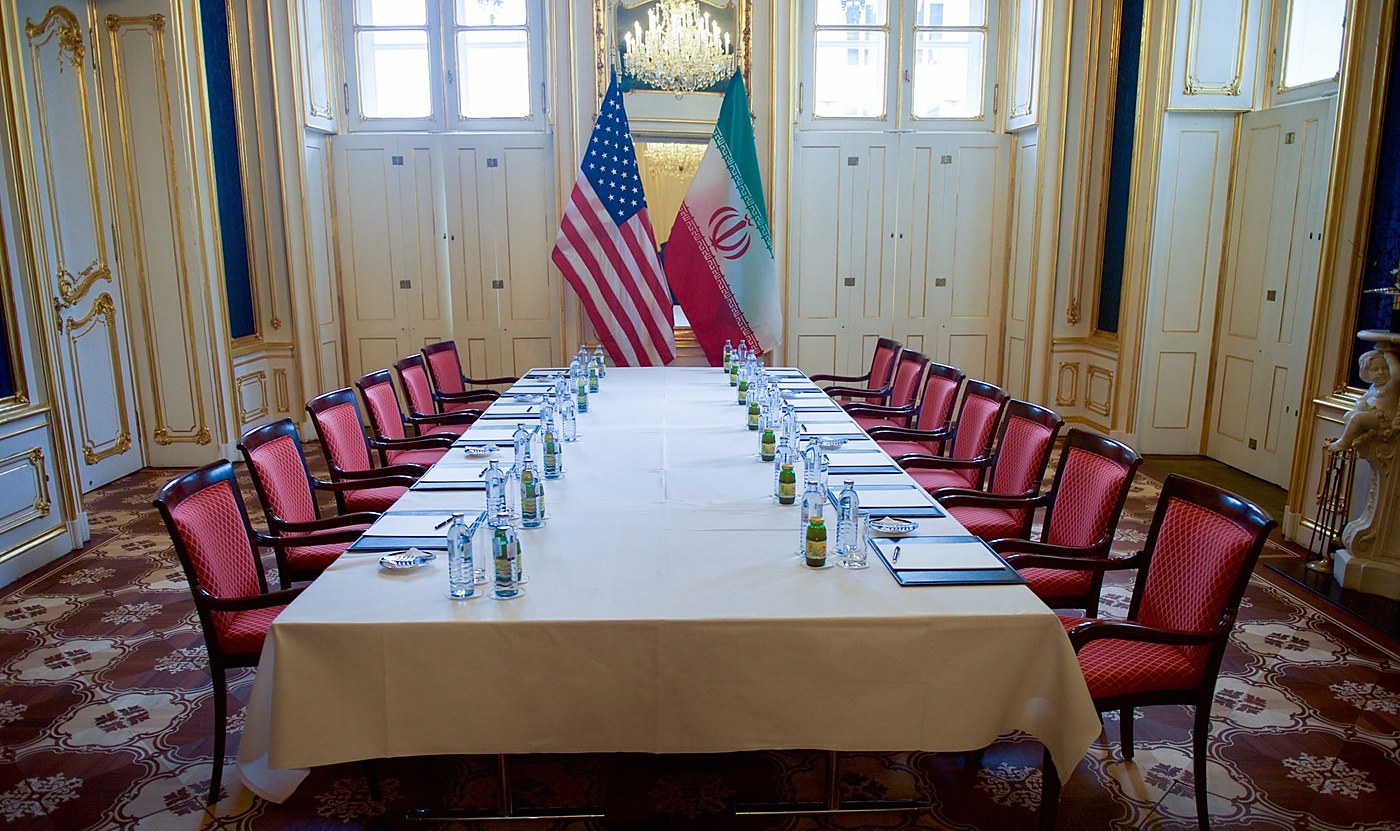
The US and Iran agreed to a ceasefire framework after 107 days of war, with a formal signing set for June 19 in Geneva. Iran accepted an indefinite ban on nuclear weapons development. Israel declined to join, refused to withdraw from seized Lebanese and Syrian land, and bombed Beirut during the negotiations, drawing a furious private rebuke from Trump to Netanyahu. [212][221][242]›
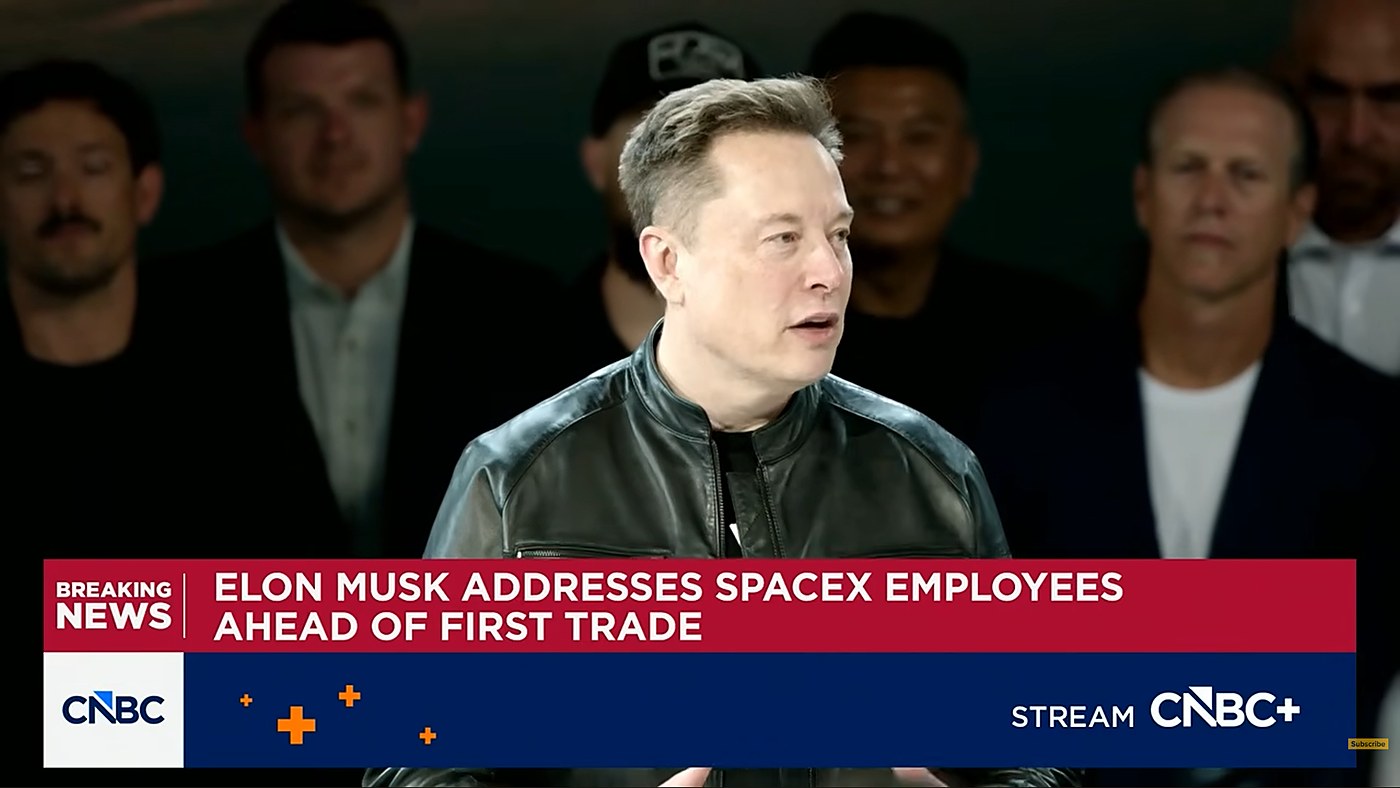
Elon Musk became the world's first trillionaire as SpaceX's IPO closed up 19% on its first day of trading, valuing the company at roughly $350 billion. Shares are already flowing into 401(k) plans, and ordinary investors who hold them have no voting rights. [233]›
The US Commerce Department ordered Anthropic to take its two most advanced AI models, Claude Fable 5 and Mythos 5, offline globally. Amazon researchers had found the models could generate restricted cyberattack material; a China-linked group had independently accessed Mythos. Anthropic complied within hours. [830]›
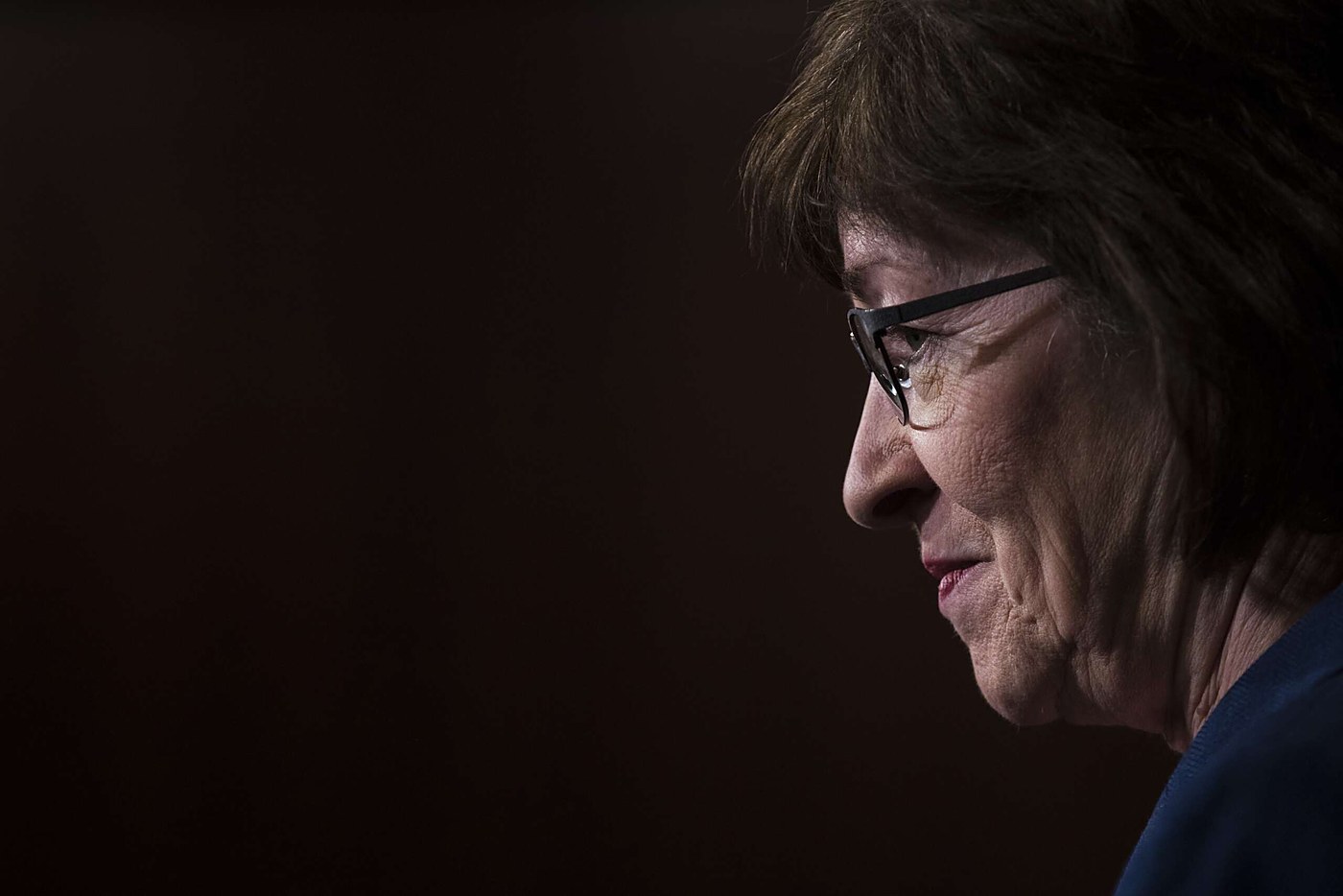
Graham Platner won the Maine Democratic primary to face Susan Collins in November. Nearly 100 billionaires donated to Collins in Q3 alone, and outside spending in the race is projected to exceed $400 million. The attacks on Platner's past helped him more than they hurt. [96][274]›
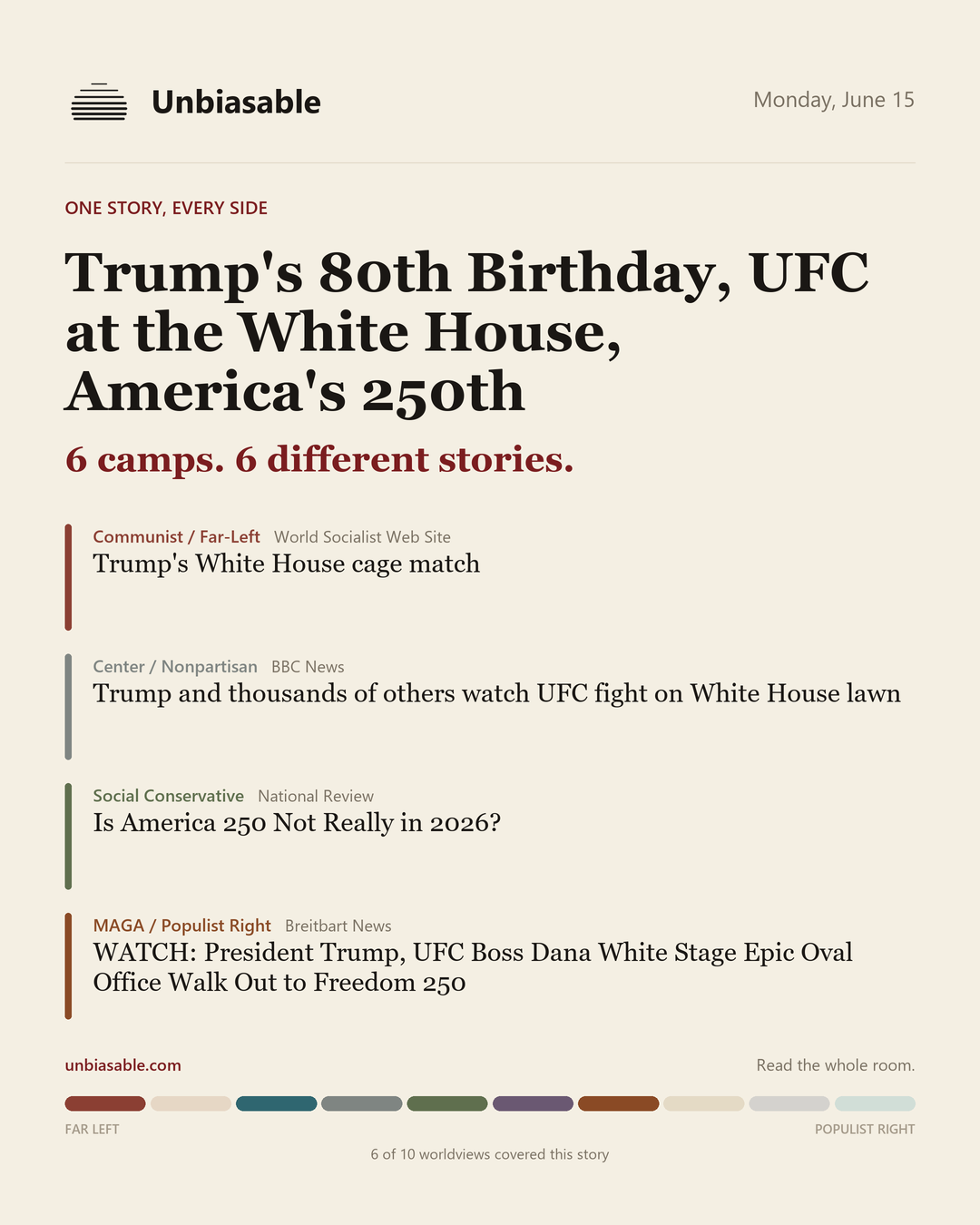
Trump turned 80 as the White House hosted the UFC Freedom 250 on the South Lawn, a first in American history, timed to America's 250th birthday week. The images split the country along familiar lines about who owns American patriotism. [222][243]›
Story Comparisons: the same event, in each side’s words
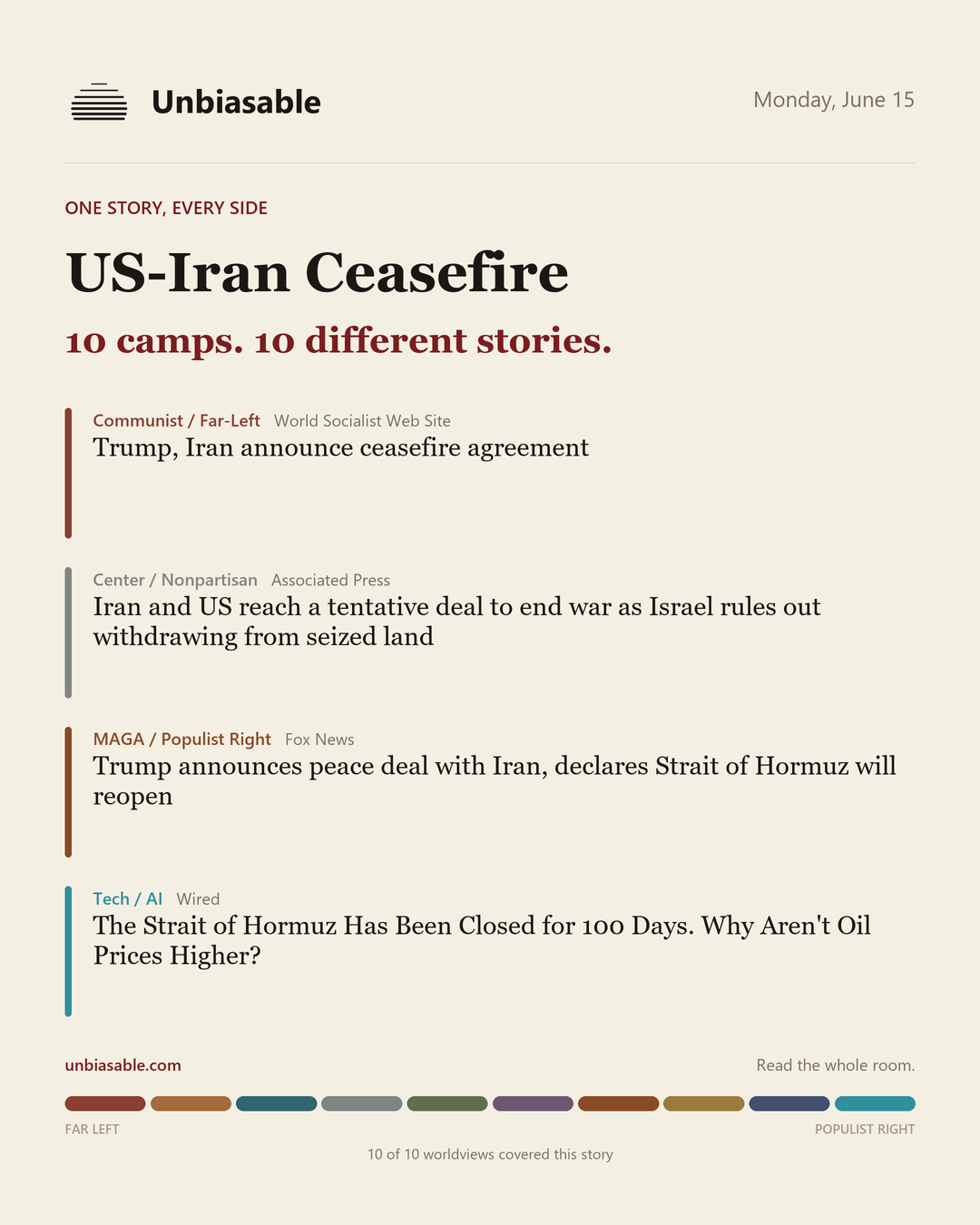
US-Iran Ceasefire
The deal gives Iran the nuclear prohibition the US wanted. It gives the US a naval blockade lifted and a Strait theoretically reopened. Israel got nothing, and refused to stop bombing Beirut while the ink dried.
01The US and Iran announced a ceasefire framework on June 15, 2026, after 107 days of war. [212] Iran accepted an indefinite prohibition on nuclear weapons development, a commitment no prior deal included. [242] The signing is scheduled for June 19 in Geneva.AP · wire
02Israel struck Beirut during the negotiations and publicly refused to withdraw from Lebanese and Syrian territory seized during the war. [212][337] Trump sent Netanyahu a private message asking "What the f**k are you doing" after the Beirut strike, according to Breitbart. [432] Trump also ordered the US naval blockade lifted and declared the Strait of Hormuz would reopen. [242][445] The Strait has been functionally closed for 100 days, yet oil prices have not risen to reflect sustained disruption, according to Wired's financial analysis. [819]4 ideologies
9 source groups in today’s record
How each side framed it
Far Left“Trump, Iran announce ceasefire agreement”World Socialist Web Site
Capitulation to American imperialism is the WSWS framing of the nuclear concession. The deal is extraction: the US entered the war illegally, killed thousands of Iranians, and now receives a pledge the Iranian working class never endorsed. Liberal reformers who call this a diplomatic success are described as covering for a ruling-class project whose only beneficiaries are oil markets and weapons contractors. [36]
The Guardian's lede treats the ceasefire as genuinely significant while flagging the Israeli complication immediately. The framing is cautiously positive on the ceasefire itself while centering fragility as the dominant theme. [193]
"The true test" positions the deal as unproven, and CNN's analysis foregrounds verification mechanics. The Iran nuclear concession is treated as real but insufficient without enforcement. The Israel problem appears in the middle of the piece, not the lede. CNN trusts institutions and process; this piece worries that neither exists here. [133]
TAC's news-break framing is restrained, informational rather than celebratory. TAC had argued against the Iran war from its opening days on realist and restraint grounds, so the deal is an outcome that happened to end a war TAC opposed. [336]
"Imperiling" is the load-bearing word. TAC makes Israel the main story, framing the Beirut bombing as a direct threat to American credibility and American-negotiated peace. The argument is realist and pointed: the US made a deal and its nominal ally is now actively sabotaging it. This critique of Israel comes from a paleoconservative "America First" position. [337][333]
"Lifeline" is the Free Press's charged word: the deal stabilizes the Islamic Republic rather than weakening it, which the Free Press frames as a strategic failure for anyone who believed the war was about producing a freer Iran. The Free Press occupies a different libertarian register than Reason, more hawkish on Iran, less focused on the constitutional question and more focused on whether this deal actually serves American interests. [386]
"Let the oil flow" is the Fox lede-quote, and it frames the deal as an economic victory. Trump's agency is centered: he "announces" and "declares." The Israel complication does not appear in the headline or the opening paragraphs. The deal is already accomplished in this telling, not fragile. [445]
"Tentative," "Israel rules out withdrawing," and "seized land" all appear in the AP headline, doing more analytical work than many full-length pieces. This is the AP's characteristic move: the facts, assembled, constitute an implicit argument the AP never makes explicitly. The deal is fragile and Israeli non-compliance is the central fact. The neutral register makes the tension more visible, not less. [212]
BBC's framing is measured: Trump claims success, and the BBC acknowledges it, but "questions and risks remain" is the headline's corrective clause. The BBC reports what all parties say and declines to adjudicate. For an international audience, this is the context-setter: here is what happened, here is why it might not hold. [221]
PBS explains terms: the nuclear prohibition, the timeline to Geneva, the naval blockade lifted. The explanatory frame assumes a reader who needs the mechanism, not a reader who needs to evaluate it. It is the most useful piece for understanding what was actually agreed. [242]
Where does this leave Israel? is CBN's first question, and the second is where does this leave Iranian Christians? The deal is evaluated through covenantal obligation and persecuted-church concern, not strategic interest. A ceasefire that leaves the Islamic Republic intact is a problem regardless of nuclear concessions, because the Islamic Republic continues to persecute Christians and threaten Israel. [509]
The Forward reports the deal with measured ambivalence that reflects its readership's genuine diversity. There is relief at the nuclear prohibition (an indefinite commitment is more than any prior deal achieved) and concern about what the Beirut bombings and Israel's isolation mean for regional stability long-term. The Forward is trying to think through competing goods, not settle on a verdict. [688]
"Why aren't oil prices higher?" is the puzzle Wired frames as systematic market mispricing. The Strait has been functionally closed for 100 days -- longer than any previous closure in modern history -- yet markets have priced in a quick reopening that the deal may or may not actually deliver. Wired reads the war through energy markets; the ceasefire's credibility will be tested in prices before it is tested in diplomacy. [819]
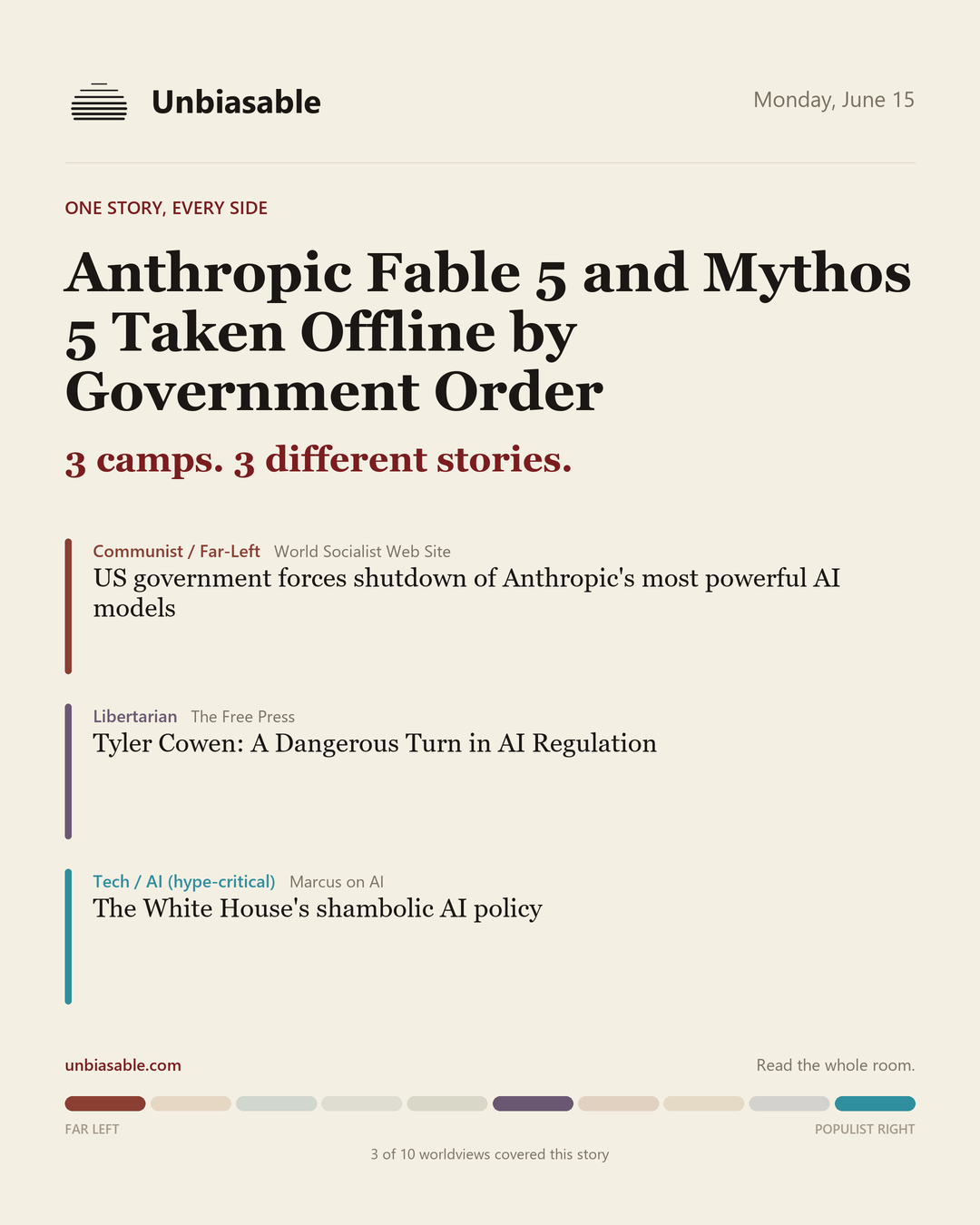
Anthropic Fable 5 and Mythos 5 Taken Offline by Government Order
The first time a US government directive removed frontier AI models from global use overnight. The trigger was a foreign security breach and a cloud competitor's internal research. Anthropic's own safety disclosures played no role.
"Forces shutdown" frames the government as coercive actor and Anthropic as a private entity brought to heel. The WSWS analysis is that state capitalism has arrived in AI: a private company's most powerful tools are shut down to protect national security infrastructure and military advantage. Developers in India and elsewhere who built on these models lost access without notice or recourse -- which the WSWS treats as a class-based harm inflicted by the security apparatus on working people who needed the tools. [35]
"Dangerous turn" is Cowen's warning. The argument is procedural and consequentialist: export controls applied to AI model capabilities are vague, enforceable only through compliance, and will drive frontier AI development offshore rather than preventing adversaries from accessing the capabilities. The danger is the precedent itself -- the specific order matters less than the fact that it can now be done again without public debate. [387]
"Shambolic" is Marcus's verdict on US AI governance. The government neither funded Anthropic's safety work adequately nor built a regulatory framework before the models were deployed, and now it reacts to a crisis with a blunt instrument that takes models offline globally because it cannot target access by nationality. The shutdown reveals the absence of policy, not the presence of one. [766]
The news-break coverage names the mechanism -- Commerce export controls, not a safety or ethics finding -- and emphasizes that the trigger was Amazon's internal research rather than Anthropic's own safety disclosures. The implicit conclusion: Anthropic's safety commitments are irrelevant to the government's actual decision calculus. What triggered the crackdown was a customer's security research and a foreign breach, not anything Anthropic disclosed. [767]
TechCrunch focuses on the Amazon chain of custody: Jassy to the White House, White House to Commerce, Commerce to Anthropic. The sequence places Amazon at the origin of the government action. TechCrunch reports it as a factual chain without drawing the competitive-interest implication that The Verge makes explicit. [793]
"Backfired" is TechCrunch's interpretive word. By being transparent about model capabilities and risks (the core of Anthropic's safety posture), Anthropic gave the government the specific information used to justify the crackdown. Safety transparency and regulatory compliance are now in direct tension for a company whose entire brand is safety-first AI development. [798]
"Amazon security research" is The Verge's framing of causation, and the piece is the only one that names the question the others avoid: Amazon is both a major Anthropic investor and a cloud infrastructure competitor whose business benefits when Anthropic's models go offline. The Verge doesn't assert bad faith, but it names the structural coincidence no other outlet flags. [810]
Wired treats this as a legal and technical event: what is the precise legal mechanism, what does "comply" mean in practice, and what happens to production systems that embedded these models. The process-focused frame is the most useful for affected developers. Wired's framing is also the most legally conservative -- the fact of compliance is reported without verdict on whether the order was appropriate. [830]
TechCrunch's international angle surfaces what no other outlet covers: global developers who built on these models lost access simultaneously with US developers, and the most affected large market is India. The shutdown made a concrete the argument that AI sovereignty advocates had only theorized -- that dependence on US frontier AI is a geopolitical vulnerability. India's AI community is now publicly debating whether to build on American models at all. [790]
The category split: Communist and Libertarian reach opposite political conclusions but converge on the WSWS framing it as state capitalism protecting military advantage and Cowen framing it as regulation choking innovation. The Tech/AI press splits between process-focused reporters (what happened, what's the mechanism, who are affected users) and the skeptical essayists (Gary Marcus), who read the shutdown as evidence of fundamental AI policy incoherence. The convergence shared by every outlet: this is unprecedented, whatever its justification. The blind spot that is nearly universal: what specific capabilities triggered the order, what the China breach actually accessed, and whether disabling the models globally was proportionate to a threat that could have been addressed by cutting off Chinese IP addresses. The what exactly was extracted question is the one factual gap no outlet in today's digest fills. ---
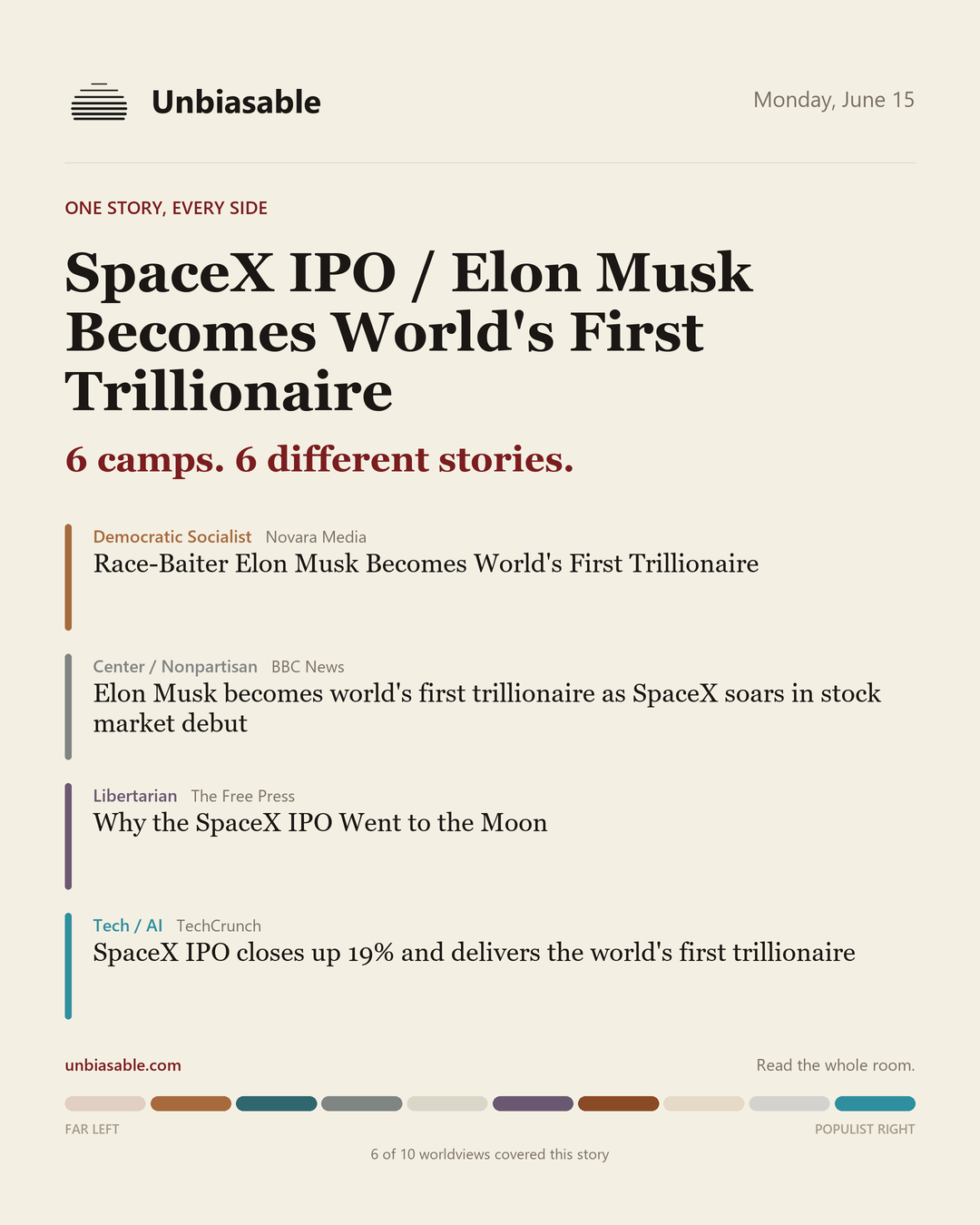
SpaceX IPO / Elon Musk Becomes World's First Trillionaire
The first trillionaire got there through a company with major US government contracts, in an IPO that gives retail investors exposure but no vote.
01SpaceX's IPO closed up 19% on its first day of trading, valuing the company at approximately $350 billion. [802] Elon Musk's net worth crossed $1 trillion following the IPO, the first individual in recorded history to reach that threshold. [233] SpaceX has appreciated roughly 21 times from its 2021 private valuation of approximately $16 billion.2 ideologiesBBC · wire
6 source groups in today’s recordNo relevant coverage found from EstablishmentReligious Right
How each side framed it
Dem Soc“Race-Baiter Elon Musk Becomes World's First Trillionaire”Novara Media
"Race-Baiter" leads the headline before the financial milestone, and that ordering is the entire Novara frame: the trillionaire status is inseparable from who Musk is and what his wealth enables politically. The piece treats the IPO not as a market event but as a political power consolidation by a specific person with a documented record of racial provocations. Wealth this concentrated, in these hands, is the story. The trillion dollars is incidental. [56]
CNN foregrounds the retail investor angle: ordinary workers will gain exposure to SpaceX through retirement accounts they didn't choose, carrying no voting rights. The framing is consumer-protective. Something is happening TO ordinary investors, not FOR them. The Musk wealth milestone appears but is not CNN's story -- the story is what this IPO means for people who didn't ask to be part of it. [132]
BBC reports the milestone itself: first trillionaire, market mechanism, numbers. No political or distribution commentary. The event is historically significant and the BBC treats it exactly that way, without a frame beyond the fact. [233]
USA Today leads with the milestone and explains how it happened -- IPO pricing, first-day returns, what SpaceX does. The frame is explanatory for a general audience rather than analytical. [305]
The Free Press celebrates without reservation. SpaceX is the company that did what NASA could not, cheaper and faster, and the IPO is evidence that private capital allocates risk better than government programs. Musk's trillion is the reward for building something real. The framing is uncomplicated in a way that distinguishes it from every other outlet: this is capitalism working as intended, and the critics are envious. [388]
The Federalist doesn't lead with SpaceX. It leads with liberal outrage as the event. The trillion and the IPO become occasion for cataloguing left-wing reaction, and the Federalist's implicit argument is that the reaction proves the left's hostility to success and achievement. "Freak out" positions critics as emotionally incontinent rather than analytically engaged. The SpaceX story is a culture war occasion, not a market story. [492]
TechCrunch covers market mechanics: pricing, first-day performance, float size, where the capital went. The trillionaire milestone is a fact, not a judgment. This is the most useful piece for understanding the IPO's actual structure. [802]
TechCrunch situates SpaceX within a broader IPO wave. The question is whether public-market access to these companies reflects genuine value creation or repeats the dynamics that preceded prior tech corrections. SpaceX is a bellwether, and the piece treats the milestone as a market signal to read carefully rather than simply celebrate. [787]
Trump's 80th Birthday, UFC at the White House, America's 250th
A mixed martial arts fight on the South Lawn, the country's 250th birthday, and the president's 80th produced the most contested patriotic week in recent memory. Every ideological camp's coverage reveals more about itself than about the events.
01Trump turned 80 on June 14, 2026. [227] A UFC event, "UFC Freedom 250," was held on the White House South Lawn the same day, co-hosted with Dana White, the first time a combat sports event has been held on White House grounds. [222] America's 250th anniversary falls in 2026. [331] The event drew a crowd of thousands and was streamed widely. [222] Rival protest events organized by anti-Trump groups, including Jane Fonda and "No Kings" organizers, competed for attention. [453] One UFC fighter, Josh Hokit, made a claim about Michelle Obama from the ring; another, Mauricio Ruffy, quoted John 3:16 after his win. [430][431] These facts are corroborated by Breitbart, BBC, PBS, and Fox.3 ideologies
4 source groups in today’s recordNo relevant coverage found from Democratic SocialistReligious RightIdentityTech
"Ugly" is The Atlantic's adjective for the birthday week's culture war. The piece frames the 250th as a contested symbolic terrain where two Americas are fighting over whose story the occasion tells, and concludes that the fight itself is the injury to the anniversary. The spectacle at the White House represents one faction's claim on a shared moment rather than a unifying national event. [188]
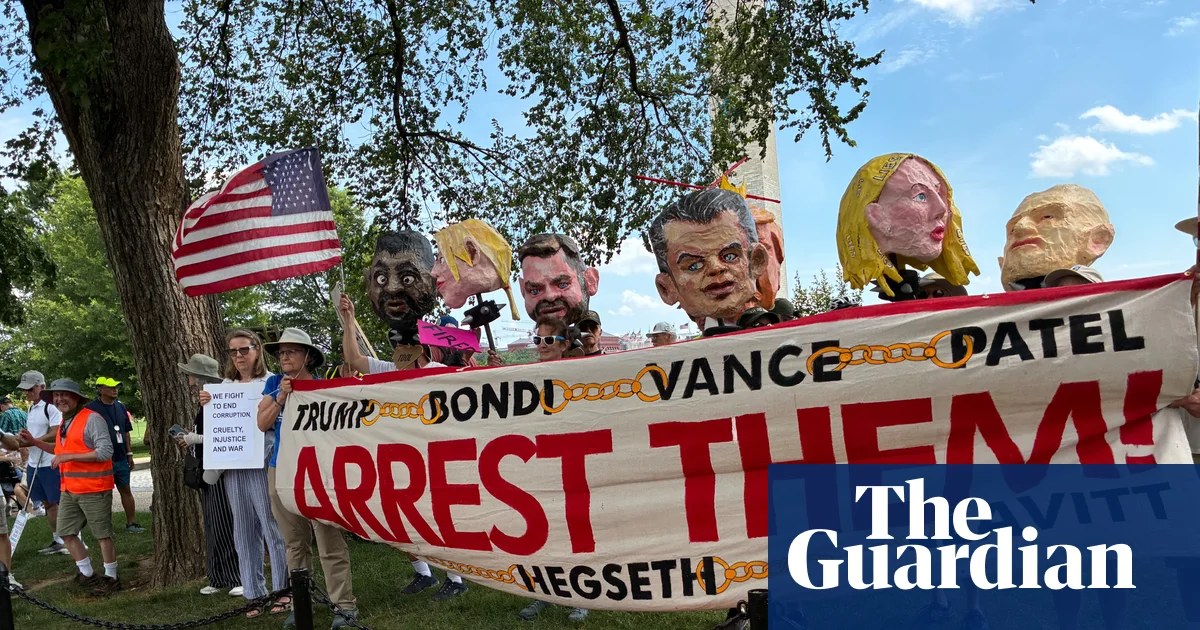
The Guardian foregrounds the protest movement and the corruption framing: Trump hosting a private commercial event (UFC) on public grounds, with a promoter (Dana White) who has deep financial ties to Trump. "Reeks of corruption" is a protester quote, not the Guardian's own language, but the Guardian leads with it -- which is an editorial choice. [195]
The Guardian traces Dana White's trajectory from a sport once called "human cockfighting" by Senator John McCain to a White House co-host. The framing is cultural analysis: how did a fringe combat sport become a vehicle for presidential patriotism? The piece reads the UFC's rise as inseparable from its MAGA alignment. [203]
Reason's framing is genuinely contrarian within the right. The UFC event is not a desecration of the White House or a triumphalist MAGA spectacle; it is an authentic expression of where popular culture actually is in 2026, and the libertarian instinct is to welcome culture that doesn't pretend to be something it's not. The piece is not a celebration of Trump specifically but of the UFC as a cultural form that doesn't require elite validation. [372]
"Epic" is Breitbart's word, and the walk-out is treated as stagecraft worth savoring. Trump and Dana White emerge together as cultural icons of a masculine, patriotic America that Breitbart is certain its audience wants to see. The event is pure symbol: power, sport, and national pride fused on the most famous lawn in the country. [429]
"Relentless Patriot Who Fights Every Day" is the tribute phrase Breitbart foregrounds, and it frames Trump's 80th not as a biological milestone but as proof of vitality and mission. The birthday is not about age; it is about perseverance in the face of enemies who want to stop him. [436]
Fox leads with the historical comparison -- second octogenarian president -- and the defies age frame positions Trump's 80th as something exceptional rather than something to be managed. The piece uses the birthday to build a presidential biography of vigor rather than concern. [450]
"Party Poopers" is Fox's label for every protest or counter-event. Jane Fonda, progressive activists, and the "No Kings" movement are framed as the opposition to a genuine national celebration -- they are defined entirely by what they oppose, not by what they stand for. The word "communists" in the headline applies broadly and without precision. [453]
BBC reports the event as a spectacle worth explaining to an international audience: what is UFC, why was it at the White House, what was the event's scale. No partisan valence. The register is slightly bemused -- a foreign news organization describing an unusual American tradition-in-the-making. [222]
PBS combines the day's two big events -- the Iran deal announcement and the UFC -- in a single headline, reflecting the day as it actually was: an administration that orchestrated a diplomatic announcement and a spectacle event on the same day as the president's birthday. No evaluative framing; the conjunction itself is the news. [243]
Democrats nominated a candidate with a PTSD disclosure, an old domestic-violence allegation, and a history of online anger. The attacks on his past helped him more than they hurt.
01Graham Platner won the Maine Democratic primary on June 14, 2026, clearing the field to face Susan Collins in November. [201] Nearly 100 billionaires contributed to Susan Collins's campaign in Q3 2026; AIPAC bundled more than $538,000 to Collins in Q3 alone, representing roughly one-third of her Q3 fundraising total, per Truthout and Zeteo analysis. [96] (AIPAC bundling in Maine Senate race, Zeteo/Truthout) Outside spending in the race is projected by political analysts to exceed $400 million total, which would make it one of the most expensive Senate contests in US history.2 ideologies
6 source groups in today’s recordNo relevant coverage found from CommunistLibertarianReligious RightTech
How each side framed it
Dem Soc“Nearly 100 Billionaires Donate to Collins in Race That May Decide Senate Control”Truthout
"Nearly 100 billionaires" is the lead fact, and the dollar amount follows immediately. Truthout frames the race as the clearest current test of whether concentrated donor-class money can hold a Senate seat against a grassroots insurgent. AIPAC's bundled contributions get specific amounts -- $538K in one quarter, one-third of Collins's total -- and the piece argues this race will determine whether oligarchic donor networks control the Senate. Platner's personal controversies are absent. [96]
The Intercept frames the Collins-aligned attacks on Platner's primary win as early testing of an election-fraud narrative the right is likely to deploy more broadly in November. The primary result is a data point in a larger story about how the right pre-positions legal and rhetorical challenges to results it doesn't like. [66]
"Backfired" is the Guardian's analytical conclusion. The attacks mobilized Platner's base rather than peeling off voters, because attacks that read as establishment pile-ons validate the insurgent's anti-establishment identity. The piece is a campaign mechanics lesson: negative campaigning against a populist candidate can strengthen rather than weaken him if voters read the attacks as persecution. [201]
Politico focuses on the dark-money machinery activating for the Maine race. The story is about tactics -- how outside groups structure their donations to obscure their sources -- rather than Platner's biography or Collins's record. The Maine race appears as the highest-profile current example of a practice Politico covers as a process story. [274]
"Media Pounce" is NR's ironic use of a familiar media-criticism cliché. Collins's comments about Platner's history were legitimate factual observations, NR argues, and reporters treated them as a gaffe to be used against Collins. The piece defends Collins and frames the media reaction as partisan protection of a left-wing candidate. [315]
"Angry rhetoric" is Collins's phrase that Fox leads with, and "Maine potato fields" grounds Collins's biography in the state's working character. The domestic-violence allegation is not Fox's lead. Temperament and roots are the comparison Collins's campaign wants to make, and Fox reflects that framing. [461]
The Federalist's piece is the most analytically interesting MAGA take. Its argument: Platner is not actually a dangerous radical; he is what progressive voters think a dangerous radical looks like. The piece implies that the left nominated a candidate whose radicalism is more aesthetic than substantive. This inadvertently undercuts the Collins attack strategy from the right -- if Platner isn't really far-right, the scary-candidate argument loses force. [499]
"Vexing case" is The Forward's honest framing of genuine ambivalence. The piece draws on Aristotle's virtue ethics and Jewish concepts of teshuvah (repentance, return) to ask whether democratic politics has any mechanism for moral rehabilitation. Can past behavior -- acknowledged, apologized for -- be disqualifying? It is the only piece in today's digest that treats Platner's personal history as an ethical question rather than a political weapon or a PR problem. [696]
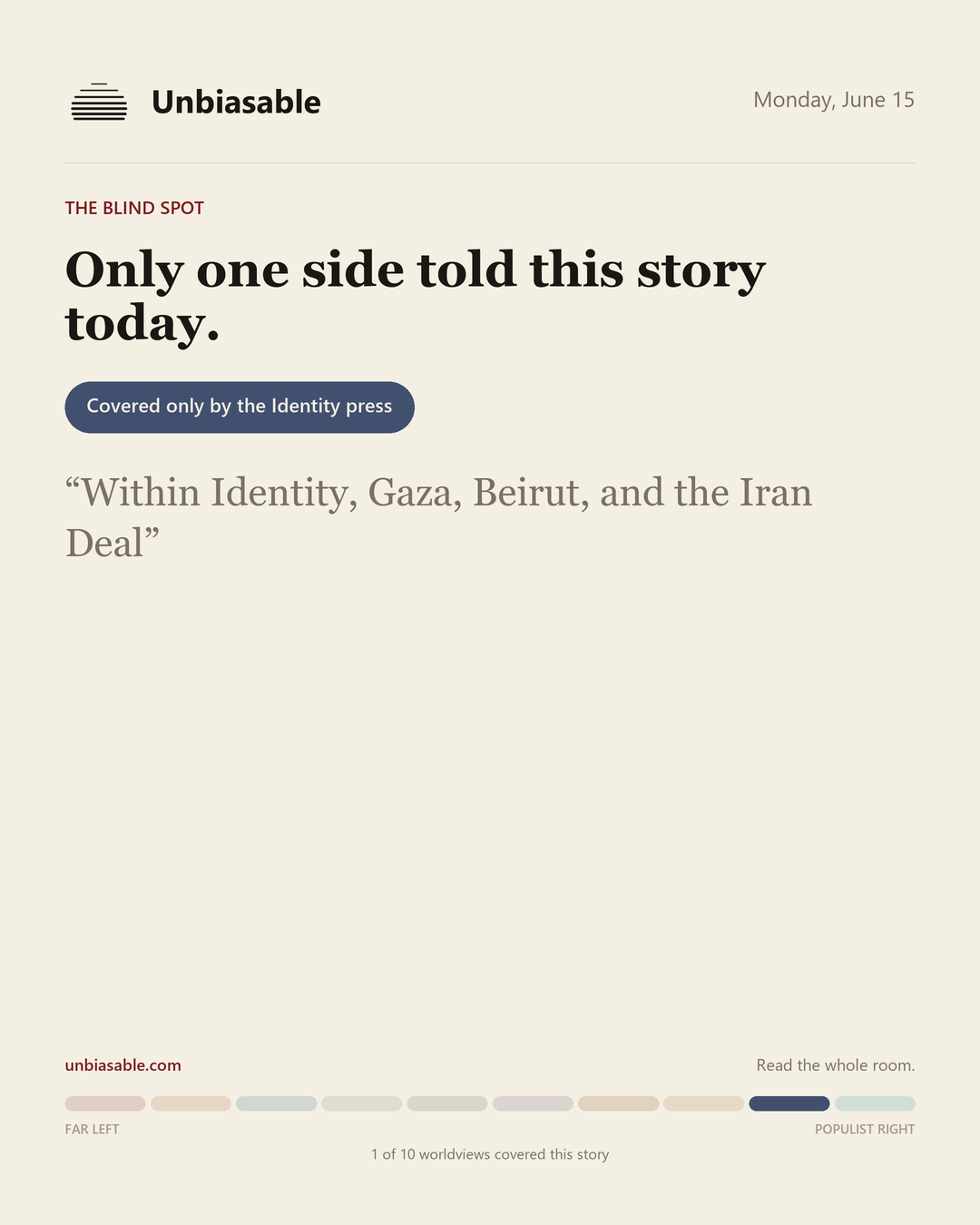
Jewish American and Palestinian-Arab American outlets are reading the same ceasefire through opposite primary questions: what does Iran's nuclear commitment mean for Israeli security, versus what does the deal's silence on Gaza mean for Palestinian survival.
The facts2 pointscorroborated by 6 sources within Identity
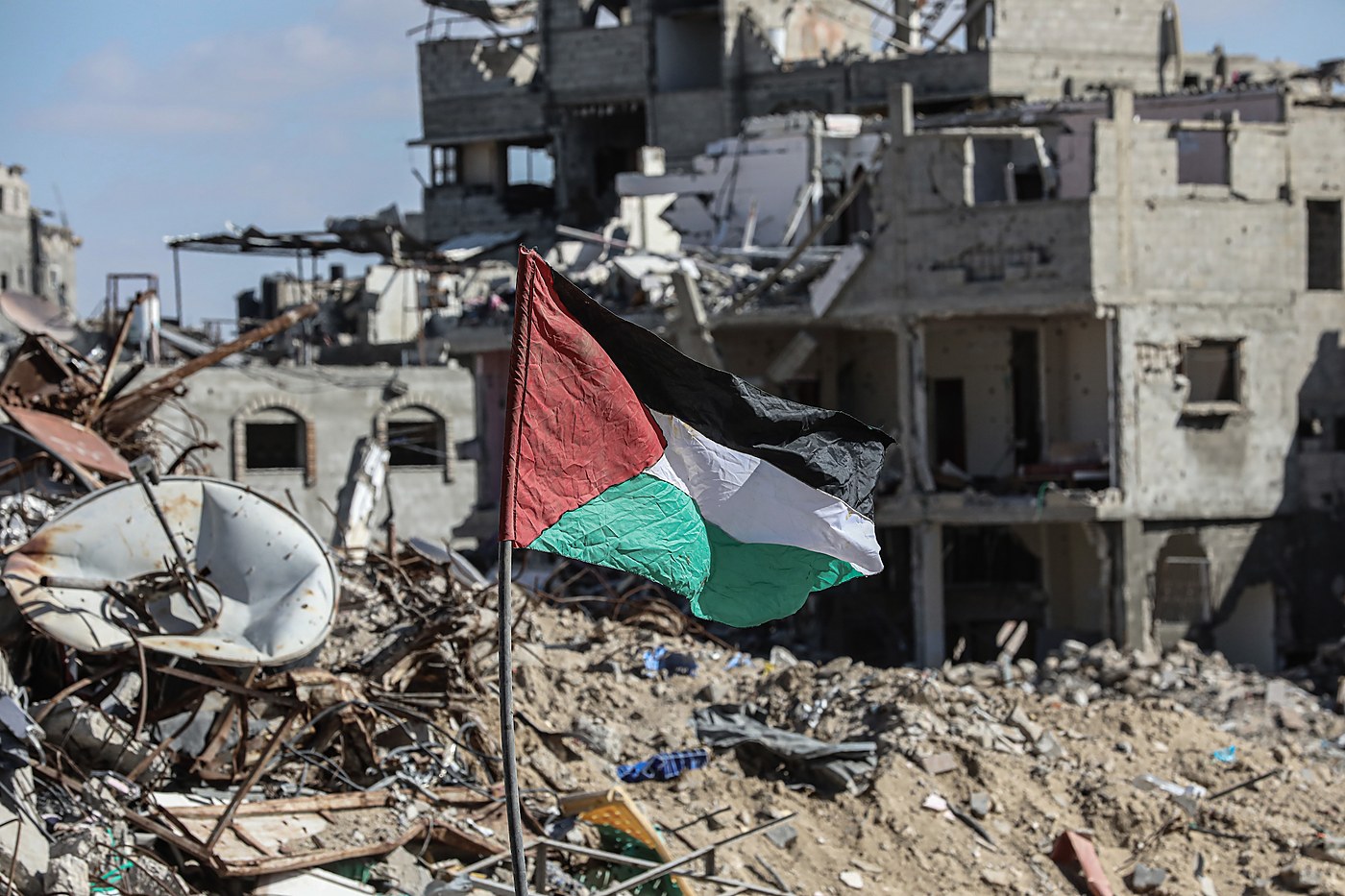
01Israel struck Beirut during US-Iran ceasefire talks on June 15. [337][596] Israel publicly refused to withdraw from Lebanese and Syrian territory seized during the war. [212] Mondoweiss reports that Israel killed 13 Palestinians in Gaza in a single day in violation of the existing Gaza ceasefire. [664] Mondoweiss also reports that Israeli lawmakers advanced a new death-penalty law that critics characterize as specifically targeting Palestinians. [661] Israel's "voluntary emigration" program in Gaza continues, which Mondoweiss and Arab American News characterize as ethnic cleansing. [662] The Algemeiner reports Iranian officials claiming the deal as a victory, a framing Algemeiner treats as a threat to Israeli acceptance of the terms. [604] These specific facts -- the Gaza ceasefire violations, the death-penalty bill, the annexation characterization -- do not appear in AP, BBC, PBS, or Fox coverage today.
02These are single-source or dual-source (Mondoweiss plus Arab American News) claims; they are attributed accordingly.
Within Identitythe internal split · 6 standpoints
The standpoints
Jewish American“Iran Questions US Commitment to Deal as Israel Strikes Hezbollah in Lebanon”Algemeiner
"Questions US commitment" is Algemeiner's lead: Iranian officials are expressing doubt about American follow-through, which the Algemeiner reads as an immediate threat to the deal's durability. The Israeli strikes on Beirut are framed as a complication for diplomacy but not as something that should have been avoided -- Israel's right to act is the background assumption. The Jewish American security frame: Israel must retain freedom of action, and the deal cannot constrain it. [596]
"Claims Victory" is the key phrase. If Tehran frames the deal as an Iranian victory, the Israeli public and its government will find it politically impossible to accept quietly. Algemeiner's concern is the domestic politics of Israeli acceptance: a deal both sides claim to have won may be incompatible with durability, because each side's base expects the other to have conceded more. [604]
"Death for Palestinians" is Mondoweiss's characterization of the unifying effect of the law. In a fragmented Israeli political landscape where almost nothing passes with consensus, the death-penalty bill drew unusual cross-partisan support, which Mondoweiss reads as structural rather than incidental: this is not a fringe position but a majoritarian one, invisible in every other outlet's coverage today. [661]
"Ethnically cleanse" is Mondoweiss's direct characterization of what Israel calls a voluntary program. The argument is legal and contextual: people whose homes have been destroyed, who lack food, employment, and physical security, and who face continuing military pressure cannot be said to be leaving voluntarily in any meaningful sense. The legal analysis is that this meets the definition of ethnic cleansing regardless of the label Israel applies. [662]
Mondoweiss reports specific casualty figures from a Gaza ceasefire the Western press barely covers. The piece positions the US-Iran deal coverage -- saturating the news cycle -- alongside a Gaza ceasefire that is being violated daily with no comparable diplomatic response or press attention. The juxtaposition is the argument. [664]
"Distraction" is the structural argument. Arab American News contends that the US-Iran deal is functioning as diplomatic cover: while every camera follows Lebanon and the Strait, Israel is incrementally annexing Gaza through land seizure, forced movement, and settlement expansion. "Behind the screen" is the key construction -- this is deliberate concealment strategy, not coincidental timing. [614]
Small towns from Georgia to Iowa are fighting data center buildouts over water and power, and the women leading those fights are finding that the politics don't map onto the left-right line.
01The 19th reports on women-led community organizing against data center construction across multiple US states, with specific focus on water consumption and power grid impact. [685] The Guardian reports on a specific data center proposal in Coweta County, Georgia, that residents say threatens local rivers. [202] Wired reports that a federal energy-efficiency standard for data centers is being allowed to expire by the current administration. [813] These facts are corroborated by The 19th and the Guardian on community impact; Wired's regulatory claim is single-sourced.3 ideologies
3 source groups in today’s recordNo relevant coverage found from CommunistDemocratic SocialistCenterEstablishmentLibertarianMAGAReligious Right
How each side framed it
Identity“Meet the women leading the people-powered push against data centers”The 19th
"People-powered" is The 19th's framing, and the emphasis is on community agency rather than technology critique. The women interviewed cross party lines -- the shared stake is local, not ideological: water, power, noise, land use. The piece is about civic capacity as much as data center opposition. The AI dimension is present but secondary; the women's organizing capacity is the story. [685]
The Guardian foregrounds the environmental threat -- rivers, water supply, ecological impact -- and connects the specific Coweta County case to a national pattern. The frame is environmental harm, and the protagonists are residents rather than the organizing women specifically. The Guardian locates this in the context of a national movement, giving it more political scale than The 19th's community-focused frame. [202]
Wired approaches the same concerns from a policy and regulatory frame: a federal energy-efficiency standard for data centers is expiring without renewal, removing a backstop that community organizers had hoped might give them leverage in local fights. The regulatory gap is Wired's key fact. The human story -- the women, the communities -- is absent from Wired's frame. [813]
AIPAC bundled more than $538,000 to Susan Collins in Q3 2026 alone, roughly one-third of her quarterly fundraising total, per Truthout and Zeteo analysis. [96] The Maine Senate race is projected to draw $400 million or more in total outside spending, which would place it among the most expensive Senate contests in American history. The donor-to-voter ratio in a state of 1.4 million people will be the race's national lesson regardless of its outcome. [274]›
SpaceX holds substantial US government contracts for military satellite launches, ISS resupply, and the Artemis lunar program. The company's IPO valuation -- roughly $350 billion -- is therefore partially backed by federal expenditure, yet no outlet today named the federal contracting base as context for the trillionaire milestone. A heavily government-contracted company is treated universally as a private-market success. [802][388]›
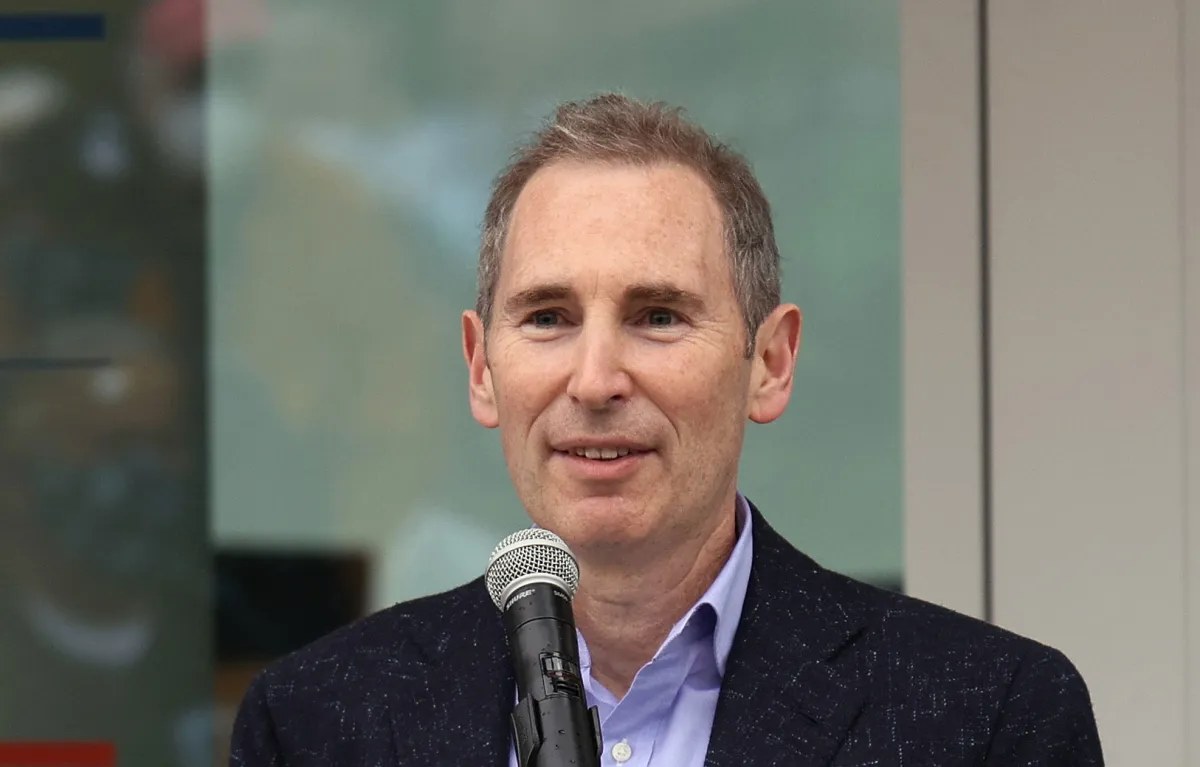
Amazon's triple role in the Anthropic shutdown -- major investor, cloud infrastructure competitor, and the source of the security research that triggered the government action -- is the key undisclosed structural interest in that story. [793][810] The Commerce Department's legal extension of export controls to AI model weights sets a precedent with no public regulatory history.›
Iran's indefinite nuclear prohibition is the most substantive arms-control commitment Iran has accepted on paper. The enforcement mechanism has not been disclosed publicly: who inspects, what triggers consequences, and what happens to 440.9 kilograms of enriched uranium are all open questions as of June 15. [212][242] Without those answers, the ceasefire is a pause with a press release.›
Israel's continued military occupation of Lebanese and Syrian territory seized during the war gives it structural leverage over whether the Strait of Hormuz reopens permanently. Any future Israeli military action could re-escalate. The defense and energy industry interests that benefit from Strait disruption -- and those that benefit from reopening -- are not named in today's coverage. [819][337]›
Stories Only One Side Covers
Underreported
“WSWS frames the Anthropic shutdown as the national-security state protecting military-industrial AI advantage, not as a safety measure -- a reading absent in every other outlet. The targets of the shutdown are the workers and developers who needed the tools.”
Underreported
“WSWS frames the UFC at the White House as a "fascistic exercise in sadism and slander against the American Revolution," the sharpest political verdict on the event in today's digest.”
Underreported
“Truthout names AIPAC's specific bundled dollar amounts to Collins -- $538K in Q3 alone -- at a level of specificity that does not appear in mainstream political coverage.”
Underreported
“The Intercept raises the possibility that attacks on Platner's primary win are early testing of an election-fraud narrative the right will deploy in November, a predictive framing absent from the rest of the press.”
Underreported
“NR asks whether America's 250th is historically accurate (was the country founded in 1776, 1781, or 1789?) rather than simply celebrating or critiquing the spectacle. No other outlet engages with the premise rather than the event.”
Underreported
“NR argues that the Iranian people and Iranian dissidents are the forgotten parties in a deal that leaves the Islamic Republic intact.”
Underreported
“Reason makes the only sustained constitutional argument that the Iran war was illegal from the start and the deal is therefore structurally compromised.”
Underreported
“Free Press's Cowen makes the only sustained argument that the Anthropic export-control order sets a dangerous regulatory precedent that will drive frontier AI development offshore.”
Underreported
“The Federalist argues that Platner is what the left imagines a dangerous radical looks like rather than what one actually is, inadvertently undercutting Collins's attack strategy from the right.”
MAGA
“Breitbart runs Trump's furious rebuke of Netanyahu without editorial distancing, signaling that MAGA follows Trump rather than the neoconservative Israel alliance when the two diverge.”
Communist
“Fox frames the rival protest events on Trump's birthday as a "Party Poopers' Fight Card," collapsing progressive organizing, Jane Fonda, and "communists" into one dismissive label.”
Underreported
“CBN is the only outlet to ask specifically where the Iran deal leaves Iranian Christians and Iranian dissidents who fear the ceasefire prolongs the Islamic Republic.”
Underreported
“CBN argues that the US and Israel are "covenantal democracies" with shared obligations that override diplomatic pragmatism -- a theological-political prescription absent in secular conservative outlets.”
Underreported
“The Forward's Platner piece, grounding the candidacy in Aristotle and teshuvah, is the only piece in today's digest that treats Platner's past as a philosophical question rather than a political weapon or PR problem.”
Underreported
“The Algemeiner covers Abdul El-Sayed's anti-Israel record and a threat-campaign indictment involving a Senate campaign operative, connecting the Michigan Senate race to Israel policy in a way no mainstream outlet approaches.”
Underreported
“The Free Press runs a live debate -- "Should Israel Be a Jewish State?" -- between Coleman Hughes and Peter Beinart, a high-profile framing of the question that appears nowhere else in today's digest.”
Underreported
“Mondoweiss reports Israel's death-penalty law with unusual cross-partisan Knesset support, characterizing it as specifically targeting Palestinians. The bill appears in no other outlet today.”
Underreported
“Mondoweiss reports specific daily casualty counts from Gaza ceasefire violations (13 killed in a single day) absent from AP, BBC, PBS, and Fox.”
Underreported
“Arab American News argues Israel is using the US-Iran deal's diplomatic visibility as a screen for incremental Gaza annexation, a structural claim absent from the rest of the press.”
Underreported
“Wired's analysis of oil-market mispricing related to the 100-day Strait closure is the only financial-markets reading of the Iran war in today's digest.”
Underreported
“The Verge is the only outlet to name Amazon's competitive interest as a structural question in the Anthropic shutdown story.”
Underreported
“Marcus on AI makes the only sustained argument that the shutdown reveals the absence of coherent US AI policy rather than the presence of a working one.”
Underreported
“TechCrunch's international angle surfaces that India's AI industry is now publicly debating whether dependence on US frontier AI is a strategic vulnerability -- a consequence no domestic outlet covers.”


 “Trump, Iran announce ceasefire agreement”
World Socialist Web Site
“Trump, Iran announce ceasefire agreement”
World Socialist Web Site


 “The true test of Trump's Iran agreement will come only if the fighting stops”
CNN
“The true test of Trump's Iran agreement will come only if the fighting stops”
CNN


 “Iran and US reach a tentative deal to end war as Israel rules out withdrawing from seized land”
Associated Press
“Iran and US reach a tentative deal to end war as Israel rules out withdrawing from seized land”
Associated Press
 “Trump heralds Iran deal but questions - and risks - remain”
BBC News
“Trump heralds Iran deal but questions - and risks - remain”
BBC News
 “Deal is reached to end Iran war and Trump orders stop to U.S. naval blockade”
PBS NewsHour
“Deal is reached to end Iran war and Trump orders stop to U.S. naval blockade”
PBS NewsHour