
"A blatant act of political repression timed to intimidate opposition to Trump on the eve of the election," the WSWS called the search. It placed the raid in a list with the California voter-roll demand and DOJ poll monitors as one election-rigging drive. It tied the probe to Trump's posts about Somali immigrants in Minnesota.
Camp by camp · Updated October 18, 2026
Democracy & voting rights
How 10 of the ten camps framed it, in their own words, then everyone on the record beneath that — March 24, 2026 to October 18, 2026. Each camp section is that camp's own outlets writing. The people below are grouped by who spoke, not by camp: an outlet can quote anyone, so the outlet it ran in tells you who carried the words, never whose politics they are.
10/10 camps on the record
the record here 225 camp reads 265 quotes 97 people 15 checkable claims 2 running stories
Communist / Far-Left 13 reads · 3 outlets
Democratic Socialist 24 reads · 6 outlets
Liberal Mainstream 54 reads · 18 outlets
Center / Nonpartisan 44 reads · 7 outlets
Establishment / Center-Right 20 reads · 7 outlets
Libertarian 9 reads · 4 outlets
MAGA / Populist Right 39 reads · 8 outlets
Religious Right 6 reads · 4 outlets
Identity 13 reads · 7 outlets
Tech / AI 3 reads · 1 outlet
Communist / Far-Left
"The pretext is a fraud," the WSWS wrote, citing Reuters' count of about 30,000 noncitizens added to rolls by error since 2000 against 170 million voters. It grouped the demand with the Omar search and DOJ poll monitors as preparation to overturn a Democratic win.
"This is a lawless act of political persecution," the WSWS wrote, casting the search as a step toward presidential dictatorship with the election itself as a target. It traced the warrant to Trump's Oct. 8 Truth Social post urging Minnesota to "fight back." It also turned on Omar's defenders, arguing House Democrats offered statements "without proposing to actually do anything."
"Trump is openly working either to rig the elections, block them altogether or overturn the results," the WSWS wrote. It warned the ruling could feed post-election challenges and blamed Democrats for "doing nothing more than wringing their hands and filing court suits."
"For the second time in six years, Trump is attempting to steal a national election," the WSWS wrote, and it aimed its criticism at the postal workers' union for challenging the rule in court instead of refusing to enforce it. It reported the union's own brief calling the counter clerks "indispensable" to implementation.
"The attack on mail-in voting is part of a broader effort to disenfranchise working class and poor voters." The far left filed the disclosure inside a longer argument about the destruction of the Postal Service itself, and it is the only camp that reported the constitutional text against the order, that Article I gives the manner of federal elections to the states. Its second piece attacked the postal unions for holding rallies of a few dozen people rather than organizing a strike.
World Socialist Web Site Sep 2 that day's brief ›
also cited World Socialist Web Site
"The system as it stands is rigged in favor of candidates and policies favored by the capitalist elite" is the socialist read, and it declines to defend the existing system while opposing Trump's changes to it. CounterPunch traces today's denialism back to Russiagate, arguing Democrats "take no responsibility for attempting to delegitimize a winning presidential candidate." Its list of what actually corrupts elections is structural: the Electoral College, Senate apportionment, gerrymandering and money.
CounterPunch Jul 29 that day's brief ›
"The lurch to dictatorship is not the work of one individual." The socialist paper spends its article on the opposition rather than the order, reporting closed-door Democratic tabletop exercises war-gaming federal troops at the polls while the same leaders call the president "feeble" in public. Its charge is that the courts and the lawsuits are a substitute for mobilizing anyone.
5 more reads from this camp, in the daily briefs.
Democratic Socialist
The demand "marks an extraordinary effort to dictate to state officials who will be allowed to cast a ballot even as voting is underway," Truthdig wrote. It reminded readers that courts have uniformly blocked the department's voter-roll demands.
Truthdig Oct 16 that day's brief ›
"a nakedly fascist move" is how The Intercept described targeting a racialized opponent for deportation three weeks before an election. It argued that courts and Congress cannot be relied on and called for "mass popular and militant opposition." Truthout stayed closer to the record, quoting former U.S. attorney Joyce Vance calling the timing "another hard norm out the window."
The Intercept Oct 13 that day's brief ›
also cited Truthout
"likely to have little impact on the November midterm elections," Truthout wrote, citing the 90-day rule. It emphasized reporting that "the system has flagged people as noncitizens who were actually citizens" in at least five states.
Truthout Sep 29 that day's brief ›
"drove a stake through the heart" of the map, Truthout wrote, calling it "undead." It ran the local clerks' ballot counts and Cleaver's "Groundhog Day" line. It framed the fight as voters' referendum power against a Republican gerrymander.
Truthout Sep 27 that day's brief ›
Truthout described the order as "delivering a fatal blow to President Donald Trump’s attempts to inject more White House control over the midterm election." It revisited the Postal Service whistleblower's warning of mass disenfranchisement. The Young Turks' video called the plan an effort to make voting harder for an unpopular party.
Truthout Sep 16 that day's brief ›
also cited YouTube: The Young Turks
Truthout called it "the gerrymandered 2025 congressional map" and walked through the week's four courts in order. It closed on the referendum group's statement that Missouri Republicans had lost.
Truthout Sep 11 that day's brief ›
"aggressively gerrymandered district lines that Republicans drew last year at the behest of President Donald Trump" is the socialist left's framing, and it is the only camp that led with the contempt filing rather than the appeal, reporting that People Not Politicians asked the state Supreme Court to hold Hoskins in contempt on Tuesday night. It printed the state party's response verbatim: "Missourians deserve better than this Republican chaos."
Truthout Sep 10 that day's brief ›
The map created "congressional boundaries many critics have said are both racial and political gerrymanders," the socialist left wrote, and it is the only camp that led with the Kansas City district's Black voters rather than the seat count. It reported that lawmakers split the city into three districts, "diluting the Black vote in the area," and that Hoskins "waited for the longest possible time permitted to him under state law" before blocking the petition.
Truthout Sep 6 that day's brief ›
16 more reads from this camp, in the daily briefs.
Liberal Mainstream
"Trump is renewing his long-running assault on voting in California," NPR's Ron Elving said, setting the suit against the Heritage count of 99 cases. The Guardian stressed that noncitizen voting is "extremely rare."
NPR Oct 18 that day's brief ›
also cited The Guardian
"Noncitizen voting is extremely rare," the Guardian wrote high in the story. ABC called the letter "the latest salvo in an ongoing tussle with heavily Democratic California" and quoted two law professors calling the threat deplorable and unlikely to hold up. A MeidasTouch host said "this is definitely about sewing chaos about making people feel less secure about their vote."
The Guardian Oct 17 that day's brief ›
also cited ABC NewsNPRYouTube: MeidasTouch
The suit came after the department "made a specious demand to the state," the Guardian wrote, quoting Rick Hasen on the National Voter Registration Act. CBS added that the Civil Rights Division has lost 26 of its 31 voter-roll suits.
The Guardian Oct 16 that day's brief ›
NBC placed the letters inside "a broader campaign by the Trump administration to zero in on what voting experts say is a relatively rare phenomenon of voting by noncitizen individuals." It gave election officials room to say the moves lay groundwork for postelection challenges. CBS added that "So far, the Justice Department has lost 26 of those cases" seeking voter rolls.
NBC News Oct 15 that day's brief ›
"it could be a small boost for Democrats in their effort to retake control of Congress," NPR said, counting the national redistricting edge down from nine seats to eight. MSNBC stressed the existing map still favors Republicans 6-to-2 and that the Missouri GOP sought to "further increase its partisan control in the midterm elections."
NPR Sep 27 that day's brief ›
also cited MSNBC
"The tool has mistakenly flagged some eligible voters as potential noncitizens," NPR wrote high in its story, before any quote from the majority. NBC set the ruling inside a campaign, saying it came "as the president encourages states to purge people from voter rolls," and put "voter purges" in its headline. CNN and USA Today both called it a win for Trump, while the Washington Post led on the use of Social Security data.
NPR Sep 26 that day's brief ›
also cited NBC NewsCNNUSA TodayWashington Post
"The third time was not the charm," CNN opened, treating the order as the end of a Republican push for one more House seat. Seven liberal outlets put "Trump-backed" or "GOP" in the headline and closed on Cleaver's reaction. On YouTube, Brian Tyler Cohen said Missouri Republicans "went shopping for a different court instead" after losing, and cast Hoskins' contempt finding as proof the party ignores courts.
CNN Sep 26 that day's brief ›
also cited CBS NewsMSNBCNBC NewsNPRThe Guardian
The camp's sharpest receipt is not about California at all: MS NOW reported that a senior Justice Department official told supervisors on a weekly call that prosecutors could be fired if they decline FBI or DHS election-fraud referrals, and that a department spokesperson denied it, saying "He never said anyone would be fired." A former Public Integrity Section prosecutor told the network "If true, this is outrageous," and argued the greater harm falls on citizens facing unfounded accusations. Across its other five receipts and ABC's, the camp printed Newsom's charge that Trump "won't stop until he can exert dictatorial control over your free vote," the NAACP suit, and the finding that progressive turnout groups "have raised nearly 40% less than they had at this point in those cycles."
MSNBC Sep 20 that day's brief ›
also cited MSNBCMSNBCMSNBCMSNBCThe Guardian
46 more reads from this camp, in the daily briefs.
Center / Nonpartisan
"escalating its fight with California," PBS wrote, carrying the AP's account of the letter and the lawsuit without adding a verdict.
PBS NewsHour Oct 18 that day's brief ›
PBS carried the AP copy and, in a separate fact-check segment, reminded viewers that the Constitution gives states the time, place and manner of elections.
PBS NewsHour Oct 17 that day's brief ›
also cited PBS NewsHour
The administration has made noncitizen voting a priority "even though the problem is exceptionally rare," the AP wrote, citing about 50 such charges this year against more than 227 million registered voters. It also noted the password arrived on a sticky note.
PBS NewsHour Oct 16 that day's brief ›
The AP wrote that the administration made the hunt a priority "even though the problem is exceptionally rare," and backed it with the Nevada claim that fell from 1,500 to zero. It quoted Santa Cruz County's clerk calling the 48-hour deadline unreasonable.
PBS NewsHour Oct 15 that day's brief ›
The BBC wrote that critics warn "it could result in US citizens being wrongly removed from electoral rolls," then gave Georgia's Republican secretary of state space to describe his office's vetting. The AP account on PBS used the Travis County error rate and a naturalized Denton voter who was wrongly flagged. On PBS NewsHour, Votebeat's Jessica Huseman said voters would likely see no real effect this election because of the 90-day window.
BBC News Sep 26 that day's brief ›
also cited PBS NewsHourPBS NewsHour
The AP account on PBS said the order ended the dispute, "putting an end to a long-running legal dispute as absentee voting is underway in the midterm elections." It gave the most procedural detail of any outlet: at least 16 lawsuits, more than a million voters shifted between districts, and the Aug. 4 timing of Hoskins' petition rejection.
PBS NewsHour Sep 26 that day's brief ›
"The decision is a win for the status quo," PBS's AP copy said, repeating its earlier read and filling the story with relieved secretaries of state. BBC went to a Republican county in Georgia to report what the rule would have cost voters there. PBS analyst Amy Howe noted the order leaves the door open to a future attempt.
PBS NewsHour Sep 16 that day's brief ›
also cited PBS NewsHourPBS NewsHourPBS NewsHourPBS NewsHourBBC News
PBS called it "a stark defeat for Trump on an issue he consistently has emphasized as vital to ensuring election integrity even though there is virtually no evidence of fraud with mail ballots." It quoted secretaries of state from Washington and Colorado and noted Trump votes by mail himself.
PBS NewsHour Sep 15 that day's brief ›
36 more reads from this camp, in the daily briefs.
Establishment / Center-Right
"paperwork, pressure, propaganda," The Bulwark wrote, describing election subversion carried out through ordinary government machinery. It listed the administration's 0-26 record in voter-data suits and the Nevada claim that fell from nearly 16,000 to zero.
The Bulwark Oct 18 that day's brief ›
The Examiner wrote that the demand "marks a significant escalation in its fight with California over election integrity," and it printed the DOJ's description of a "multilayered, multiagency investigative methodology" without counter-data. The Bulwark wrote that Trump is "laying the predicate for interfering with the polls this November."
Washington Examiner Oct 17 that day's brief ›
also cited The Bulwark
The Examiner called the fight a "legal mess" and put the partisan stakes plainly, saying the order was "likely preventing any House pickups for the Republican Party in the state." It did not assign blame for how the mess began.
The Examiner covered the same five bills as MS NOW but read them as positioning, noting in its third paragraph that "the governor is being eyed as a contender for the 2028 Democratic presidential nomination" and giving the Justice Department's defense of election monitoring the last word. Its podcast supplied the camp's most useful observation, that the two parties' constituencies have flipped on documentary voting rules: Democrats now hold the college-educated voters most likely to have a passport and birth certificate filed away, while "noncollege voters are much less likely to have those things."
Washington Examiner Sep 20 that day's brief ›
also cited YouTube: The Dispatch
The Bulwark's Andrew Egger called the order "a massive rebuke of the president" and dismissed Alito's dissent: "It’s clownish stuff, but who cares?" George Conway joined Sam Stein to discuss Trump's attack on his own appointees.
The Bulwark Sep 16 that day's brief ›
also cited The Bulwark
Andrew Egger said "Trump was so far out over his skis" that no other outcome was likely, and the hosts read Kavanaugh's concurrence as a signal he could side with Trump in 2028. The Washington Examiner called the order "the latest setback in his legal efforts" but also wrote, inaccurately, that the court had decided in the administration's favor.
The Bulwark Sep 15 that day's brief ›
also cited Washington Examiner
The Dispatch's legal podcast treated the Missouri fight as a procedural tangle, walking through the dueling state and federal orders before its main segment.
The institutional right filed Missouri as one line in a wider elections roundup, noting "Missouri's congressional map is in limbo" alongside the mail-ballot litigation and the New Hampshire primaries. It is the only camp that grouped the map fight with the rest of the administration's election-administration cases rather than treating it as a state story.
The Dispatch Sep 10 that day's brief ›
12 more reads from this camp, in the daily briefs.
Libertarian
The Volokh Conspiracy split. Ilya Somin repeated that "Trump's order is a blatant assault on federalism and separation of powers" and welcomed the result. Josh Blackman attacked the majority for reaching the merits in two sentences, writing "Except when Trump is involved."
Reason Magazine Sep 15 that day's brief ›
also cited Reason Magazine
Ilya Somin wrote that the 1st Circuit "rightly ruled the executive branch has no authority to restrict mail-in voting," applying the same major-questions reasoning used against Biden's student-loan forgiveness. Josh Blackman split with him on Missouri, calling it "extremely problematic" that about 3% of voters could suspend a map for two years and doubting the Justices read all the briefs.
Reason Magazine Sep 11 that day's brief ›
also cited Reason MagazineReason Magazine
"This isn't an especially substantial win for the Trump administration" is the libertarian read, and Reason's roundup gave the ruling four sentences and moved on, treating the standing question as the whole of what happened.
Reason.com Aug 26 that day's brief ›
"The only nightmare here is the fact that the Court let KBJ take nearly a month" is the libertarian legal blog's reaction, and this camp made the Court's internal timekeeping the story instead of the ballots. Reason's Volokh Conspiracy noted that the government filed July 27, replied Aug. 12 and got a ruling Aug. 24, and it proposed a rule letting six justices force out an opinion while a dissent lags.
Reason Aug 25 that day's brief ›
also cited Reason.com
Reason breaks from both camps, reviewing studies to conclude voter-ID laws "do not reliably benefit Republicans or hurt Democrats," undercutting Trump's fraud narrative and the left's disenfranchisement warnings alike.
Reason Jul 21 that day's brief ›
also cited Reason.com
Reason's Ilya Somin called the claims "utterly indefensible" and argued federalism is the firewall, since states run elections. Reason separately noted "that's not how it works" on Trump's threat to pull ABC and NBC broadcast licenses.
Reason.com Jul 18 that day's brief ›
also cited Reason.com
Libertarians and the anti-war right read the renewed strikes as an unconstitutional war the Congress has already voted to end. Antiwar.com foregrounds Khanna's threat to take Trump to court under the War Powers Resolution and the fact that the Senate passed the first concurrent war-powers resolution in history. The frame is constitutional and procedural: this is a war the executive is conducting without authority.
Antiwar.com Jun 29 that day's brief ›
also cited News From Antiwar.comNews From Antiwar.com
Reason covers the oral arguments procedurally, noting deep divisions: Thomas, Barrett, and Gorsuch questioning Mississippi's position. The framing is legal uncertainty ahead of the midterms, with the ruling potentially reshaping mail voting in over a dozen states. Reason identifies the constitutional question (federal Election Day statutes vs. state extensions) without editorializing on which outcome is preferable — an unusual restraint for an outlet that typically advocates strongly on voting rights issues.
Reason Mar 24 that day's brief ›
also cited Reason.com
1 more read from this camp, in the daily briefs.
MAGA / Populist Right
"President Donald Trump promised jail for California officials," Breitbart led, printing the letter and Newsom's rebuttal. OAN wrote that the department "deepened its scrutiny of the Golden State" and quoted the letter at length on why administrative burden is no defense. Both MAGA pieces treated the list as evidence of crime.
Breitbart News Oct 18 that day's brief ›
also cited One America News Network
"Even one illegally cast ballot robs the rightful vote of legal voter," the Federalist wrote, pointing to New Jersey's registration errors. The Daily Wire stressed that the department is not asking for a purge, only that ballots be set aside, and the Blaze led with Newsom's outrage. Fox reported a new suit by voting groups against DHS's collection of voter files from 47 states.
The Federalist Oct 16 that day's brief ›
also cited The Daily WireThe BlazeFox News
Fox led with the threat against officials "unless they take steps to prevent suspected noncitizens from voting" and printed the DOJ's claim that thousands of potential foreign nationals were identified statewide. It also wrote that "the DOJ has not established that the individuals identified have cast illegal ballots." The Daily Wire framed the letters as part of how the administration "presses states to address voter eligibility ahead of the November midterms" and printed Weber's rebuttal.
Fox News Oct 15 that day's brief ›
also cited The Daily Wire
"aims to ensure registered voters are U.S. citizens," Fox wrote of the passport plan, presenting it as an integrity measure. OAN carried DHS counsel James Percival calling the ruling "a victory for election integrity." The Federalist called two New Jersey noncitizen voting charges "another example of the thing that never happens reportedly happening yet again."
Fox News Sep 29 that day's brief ›
also cited One America News NetworkThe Federalist
Fox described a "mass voter verification system" and quoted conservative election lawyers welcoming the order as a win for election integrity. The Federalist wrote that Jackson "seemingly bragged" about the ruling's limited short-term reach, and Breitbart called the system "streamlined." All five MAGA outlets led with the government's side; none reported the Travis County errors.
Fox News Sep 26 that day's brief ›
also cited The FederalistBreitbart NewsThe Daily WireOne America News Network
The Federalist described the referendum behind the Missouri Supreme Court ruling as "pushed by left-wing activists" and quoted the 8th Circuit's argument that voters would elect different candidates than they nominated. Fox ran the order as a short flat item. Neither mentioned Hoskins' contempt finding.
The Federalist Sep 26 that day's brief ›
also cited Fox News
Fox placed the indictments inside "a broader Trump administration enforcement effort targeting alleged illegal voting and election-related crimes," and it is the only receipt in any camp on the charges themselves. It printed the Justice Department's social-media warning to "ANYONE trying to cheat," an assistant attorney general saying "America's elections are for Americans," and Mullin's 300,000 suspected cases beside the 151 arrests actually made. It closed by noting the charges are accusations and the defendants are presumed innocent, which is the detail its own framing works against.
Fox News Sep 20 that day's brief ›
The Federalist asked whether the liberal justices would "slow-walk their dissents" to run out the clock, reading Alito's dissent as a hint of it. Its news report laid out Alito's standing and ultra vires arguments at length. The Blaze ran Trump's post as its lead.
The Federalist Sep 16 that day's brief ›
also cited The FederalistThe Blaze
31 more reads from this camp, in the daily briefs.
Religious Right
The evangelical broadcaster described the executive order as Trump's "plan to add security to the mail-in voting process," a characterization no other camp used, and then printed the practical objection alongside it, quoting an association of election officers that no state currently runs elections the way the rule requires.
CBN News Aug 26 that day's brief ›
"American voters deserve to have confidence that our elections are safe and secure" is the White House statement CBN centers, treating New Jersey's registration error as vindication of the SAVE Act rather than an isolated administrative failure.
CBN News Jul 28 that day's brief ›
"Absolutely increases the risk for fraud." The evangelical broadcast covers the same files as a matter of stewardship rather than law, walking through automatic mail ballots and states without voter ID, and treating the Save America Act as the fix.
CBN reported the "shocking vulnerabilities" framing straight, but noted that some of the declassified documents themselves "conclude that large-scale manipulation of U.S. voting systems would be difficult to carry out without detection."
CBN News Jul 18 that day's brief ›
also cited The Christian Post
The American Conservative reported the claims but noted the voter files Trump cited "are publicly available records" and drew the parallel critics made to "the Russiagate scandal," labeling Trump's allegations "Chinagate."
The evangelical press relayed the address straight, opening on Trump's line that "if there can be no trust, there can be no greatness" and cataloging the five areas of concern without adjudicating them. CBN carried the speech live in full.
The Christian Post Jul 17 that day's brief ›
also cited YouTube: CBN News
Identity
"of using federal law enforcement to intimidate political opponents" is the accusation theGrio placed in its first sentence, then grounded the story in Omar's history as the first African refugee in the House and the January vinegar attack on her. It was the only outlet to frame her primarily through the threats to her safety.
TheGrio Oct 13 that day's brief ›
The Advocate led with Jackson "disregarding the risk to eligible voters" and was the only outlet to ask what the system means for transgender voters whose names or documents do not match Social Security records. TheGrio, the Black outlet on the story, reported the ruling plainly and noted court filings documenting citizens flagged in error.
The Advocate Sep 26 that day's brief ›
also cited TheGrio
TheGrio led with the NAACP's Kristen Clarke and the Lawyers' Committee, framing the rule as a threat to voters who balance work, caregiving and disability. Roland Martin opened on "More losing by Donald Trump today" before the high court ruled. Al Jazeera ran the ruling straight.
TheGrio Sep 15 that day's brief ›
also cited YouTube: Roland S. MartinAl Jazeera
Roland Martin opened his show on how the Missouri Supreme Court "slapped the Secretary of State Danny Hoskins for contempt of court," and his panel tied the map fight and the mail rule to a single effort to restrict voting.
"Missouri Republicans are literally out of their minds." The Black press's largest political video audience led the show with the map fight and put the focus on the constitutional officer rather than the courts, arguing that secretary of state races belong on the same ballot-scrutiny list as judges and governors. It is the only source in any camp that walked its audience through the sequence twice on air.
The Arab network filed the ruling as a loss for the president, writing that "The decision is a setback for President Donald Trump and his Republican Party, which had backed the redistricting effort as part of a broader push to improve their electoral chances." It is the only outlet in this set that stated the current House arithmetic in the same piece, reporting 219 Republican seats including one right-leaning independent against 214 Democratic seats.
Al Jazeera Sep 9 that day's brief ›
"his latest attempt to squeeze as many votes as possible." The Asian American press is the only outlet in this set that reported polling on its own community's stake, citing AAPI Data's survey of 2,066 registered Asian American and Pacific Islander voters in which 53 percent agree strongly in the right to vote by mail. It also carried Asian Americans Advancing Justice's joint statement warning of "confusion, error, and mass disenfranchisement."
AsAmNews Sep 4 that day's brief ›
"a rare judicial rebuke to Trump in the national battle over redistricting." The Arab press wrote for readers outside the American system, explaining that maps are normally redrawn once a decade and that "no federal law bars partisan redistricting, known as gerrymandering." It is the only outlet that reported the crowd chanting "Let us vote!" outside the courthouse the day before the ruling and quoted a Jefferson City resident saying "Gerrymandering is the same as voter suppression."
Al Jazeera Sep 4 that day's brief ›
5 more reads from this camp, in the daily briefs.
Tech / AI
"This is a major loss for President Donald Trump, who has long railed against mail-in voting," WIRED wrote on Monday night. It carried the story forward from its earlier coverage of the Postal Service portal.
WIRED Sep 16 that day's brief ›
"This is a major loss for President Donald Trump, who has long railed against mail-in voting," WIRED wrote. It is the only outlet that brought back the Postal Service whistleblower who said the portal was hastily built.
WIRED Sep 15 that day's brief ›
The technology press read the 95-page postal rule itself and reported what the rest of the coverage skipped, that "The rule compares mail-in ballots to fake bombs or cremated animal remains." It is also the only outlet that put a number on the fraud claim, noting a Heritage Foundation database going back to 1980 contains fewer than 100 proven examples of noncitizen voting.
WIRED Aug 26 that day's brief ›
The stories behind it
Claims on the books
Open Rob Bonta Oct 15
“There is no widespread voter preference, voter fraud problem. It doesn't exist. It is a lie. It is a conspiracy theory”
Open Fox News Sep 29
“According to the filing, the State Department will publish a notice in the Federal Register proposing to share information contained in the Passport Services Records system”
Open Truthout Sep 29
“However, as a result of the ruling, the Trump administration will be able to restart use of the SAVE system to scrutinize state voter rolls after the election”
Open Gov. Mike Kehoe Sep 26
“It is disappointing that today's decision by the United States Supreme Court means Missouri will conduct its November general election under a different congressional map than its primary election”
Open Catherine Hanaway Sep 9
“Missouri is prepared to follow and comply with the federal district court's order, which binds the state to using the map enacted by the General Assembly and signed into law by Governor Kehoe”
Open Solicitor General John Sauer Sep 7
“Ballots have already begun to be mailed in North Carolina, and more States will begin the mailing process as the injunction remains in place — including Alabama on September 9 and at least five States the week of September 13”
Open Missouri Supreme Court Sep 4
“The legislation containing the new districts "did not go into effect and will not go into effect unless and until approved by the voters.”
Open Associated Press Sep 4
“The Maryland Supreme Court ruled Thursday that the proposed constitutional amendment must be placed on the November ballot, reversing two lower court rulings that had blocked it from going to voters.”
Open Whistleblower Aid Sep 2
“As presently designed, if even one bar code on one single ballot in a bulk-mailing of 10,000 ballots fails to properly scan during the verification process, the entire batch is rejected and sent back to the state — effectively stopping the ballots from being mailed to voters”
Open Associated Press Aug 29
“The first mail ballots of the general election to determine control of Congress are scheduled to be sent out Sept. 4.”
Borne out Associated Press Aug 25
“The first mail ballots are required to be sent to military and overseas voters from North Carolina on Sept. 4”
Open Jonathan Smith Jul 29
“The IT people in the background are moving forward with creating the portals to make sure that we can accomplish the task if given to us”
Open John Cornyn Jul 28
“You can stay here until the cows come home and it's not going to change anything”
Open Trump Jul 18
“According to the DHS review, state voter rolls and public records, they identified approximately 278,000 noncitizens who are registered to vote in federal elections.”
On the record
Grouped by who said it. The outlet named under each quote is who carried the words.
Bill Kristol 29 on this issue
“"Trump’s Election Interference Is Underway." And it can come from Trump corporate and tech allies outside government as well as from the government itself.”
Oct 18 on @BillKristol
“"Tomorrow it will be inspiring to see millions of Americans show up at No Kings. Before the polls changed, there were the efforts of the No Kings organizers. There were the patriotic participants. Before it was fashionable, No Kings was there."”
on the No Kings protests and the organizers behind them
Oct 17 on @BillKristol
““It’s about degrading the people. It’s about desensitizing the public. The U.S. military is far better than this. Senior officials should protest, and if necessary resign, rather than being complicit in the voyeuristic degradation of our democracy.””
Oct 10 on @BillKristol
Donald Trump US President 19 on this issue
“They will all go to jail for a long period of time!!!”
on jail threats against California officials over ballots from suspected noncitizens
Oct 17 via The Guardian
“I'll do it any way, I don't care if I'm registered or not, I'm going to try and cheat like hell like they do.”
on urging supporters to disregard voter registration rules to win the election
Sep 12 via World Socialist Web Site
“Hopefully there will be no mail-in ballots.”
on Trump's goal of ending mail-in ballots via a USPS rule change
Sep 11 via World Socialist Web Site
Chuck Schumer Senate Minority Leader 10 on this issue
“assault on the rule of law and undermining of democratic values”
Aug 10 via The Guardian
“Democrats support voter ID," Schumer said in March. "In fact, we included it, and it is included, in our Freedom to Vote legislation several years ago.”
on his own remark in March that Democrats support voter ID
Aug 9 via Fox News
“work with the local Houston Police Department, Dallas Police Department, Bexar County, San Antonio Police Department and figure out ways to stop this ahead of time.”
Jul 27 via World Socialist Web Site
Rob Bonta California Attorney General 10 on this issue
“What happened to those 170,000? They just got those wrong,”
Oct 16 via PBS NewsHour
“There is no widespread voter preference, voter fraud problem. It doesn't exist. It is a lie. It is a conspiracy theory”
on the Justice Department's 48-hour demand over California's suspected noncitizen voters list
Oct 15 via Fox News
“the U.S. Constitution gives states the power to regulate elections — not the President and not USPS.”
Aug 27 via CBS News
Hakeem Jeffries House Minority Leader 8 on this issue
“resounding victory for the people of the Show-Me State and a clear message to MAGA extremists trying to rig the midterm elections.”
Sep 4 via The Guardian
“I continue to have confidence in state and local authorities in making sure that there’s going to be a free and fair election in November,”
on confidence in election oversight amid noncitizen voter roll concerns
Jul 27 via Washington Examiner
“If modest or minor challenges emerge, such as the one that was disclosed voluntarily by the authorities in New Jersey, that it is immediately corrected.”
on New Jersey's disclosure of noncitizens on its voter rolls
Jul 27 via Washington Examiner
Thom Tillis Republican senator from North Carolina 8 on this issue
“They’re being disingenuous to suggest to the American people they could possibly be operational by this election. And so then it begins to make me wonder ... if we’re just beginning to undermine the underlying integrity of any of our elections,”
on doubts that election systems will be ready before the next election
Jul 18 via NBC News
“Do y’all have any idea how many governmental entities have to implement these changes before November? More than 10,000. …If we had passed this last year, it couldn’t have been implemented in time,”
on doubting states can implement the SAVE America Act voting changes before November
Jul 17 via NBC News
“Let’s assume you only allow early voting in the month of October. Then do you honestly believe that we can have this thing up in 50 states? There’s no funding. There’s no specific implementation instructions,”
on doubts the SAVE Act's voting requirements could be implemented nationwide
Jul 8 via The Federalist
Ben Norton 7 on this issue
“Meta employees admitted the US corporation censored the Instagram, Facebook, and WhatsApp accounts of Brazil's left-wing President Lula da Silva in the lead-up to this month's election. Meta also promoted the accounts of far-right pro-US candidate Flávio Bolsonaro. Meta claimed this was supposedly because of "technical issues". But what this really shows is how real democracy is impossible when US Big Tech corporations are used to manipulate elections around the world, to put in power right-wing US puppets who will sell out their country to US corporations and the US government (see: the recent US electoral interference in Colombia, Honduras, Peru, Argentina, etc.) The CIA previously focused on organizing military coups to overthrow independent left-wing leaders and install right-wing pro-imperialist ones. Now it's much easier: Silicon Valley helps the US empire carry out soft coups by manipulating public opinion and interfering in elections.”
on Meta's handling of Lula da Silva's accounts before Brazil's election
Oct 18 on @BenjaminNorton
“This story is extremely important: A whistleblower revealed that Brazil's far-right Bolsonaro family dynasty met with Meta to discuss US plans to interfere in Brazil's election, to prevent Lula from winning. Lula's Facebook and Instagram accounts were censored a few days before the first round of the presidential election. This had a huge impact on the election, because Facebook, Instagram, and WhatsApp, which are all owned by Meta, are the most popular apps in Brazil, and are hugely influential all across Latin America. (Jair Bolsonaro's son Flávio was declared the winner of the first round of the vote, by a narrow margin.) Meta later admitted that Lula's accounts had been restricted, but it claimed that this was supposedly due to a "technical error"... The whistleblower who disclosed this is Nadia Beller, a Bolivian journalist who was almost killed by hitmen hired by Fernando Cerimedo, a far-right Argentine political operative who oversees election interference, bots, and disinformation campaigns. Cerimedo is closely linked to the US government and has worked for pretty much every right-wing leader in Latin America. He was photographed with Donald Trump Jr. and members of the Bolsonaro family, and he received an award at Trump's Mar-a-Lago resort in Florida a few months before he was arrested for the failed assassination attempt against Beller, his pregnant ex-girlfriend. Link here: https:// panamericandispatch.org/p/nadia-beller -exposes-bolsonarocerimedometa …”
Oct 15 on @BenjaminNorton
“Huge scandal: Far-right election meddling specialist Fernando Cerimedo was arrested for trying to kill his pregnant ex-girlfriend. Using bots, disinfo, and fraud, he oversaw campaigns of Latin America’s pro-US presidents, with deep links to Trump admin.”
on the arrest of a right-wing election consultant tied to Trump-aligned leaders
Sep 1 on @BenjaminNorton
John Thune Senate Majority Leader 7 on this issue
“It seems to me some days that I'm the only one here who can count to 50 in this town. But we don't have the votes to get rid of the filibuster. And we aren't flipping 10 Democrats to vote for the SAVE America Act,”
Aug 7 via Fox News
“Show me how this ends. What's the picture of victory at the end?”
on demanding Trump explain how staying in session passes the SAVE America Act
Jul 28 via PBS NewsHour
“If somebody can show me how we get an outcome, how we get a result, how we get an answer to this, I'm all for it,”
on Thune's openness to a path forward on the SAVE Act
Jul 28 via USA Today
Vivek Ramaswamy 6 on this issue
“If you believe in the core values that made our country great, then you have a moral duty to act on your convictions: show up & vote.”
Oct 2 on @VivekGRamaswamy
“Ohio has a chance to lead the country in securing elections when we vote to put a hard photo ID requirement into our state constitution this November. And pretty soon, other red states like TX & FL will follow our lead after we get it done.”
Sep 1 on @VivekGRamaswamy
“Washington D.C. couldn’t pass the SAVE Act, but we can get it done here in Ohio: time to amend the state constitution to require photo ID to vote in Ohio elections. Good kickoff event today in Hilliard to VOTE YES on Issue 3.”
Aug 31 on @VivekGRamaswamy
Alexandria Ocasio-Cortez U.S. Representative 5 on this issue
“They say we are voting on an ‘insider trading’ bill, but have snuck in massive SAVE Act-style voter suppression measures to it.”
Jul 23 via Truthout
“How is it that we have sitting elected members of Congress going missing for months at a time?”
Jul 15 via Latest Political News on Fox News
“People get into medical incidents. If you're in the hospital, you're in the hospital. But I do think that there should be some sort of... there's a line here. And I think almost everyone can agree that it's been crossed.”
on whether McConnell's extended absence has crossed an acceptable line
Jul 15 via Latest Political News on Fox News
Thomas Massie U.S. Representative, R-Ky. 5 on this issue
“In 1626, England’s Parliament sought to impeach the Duke of Buckingham, a widely despised advisor to King Charles I. The king moved quickly to shield his favorite; on hearing the news, he said curtly that Parliament would sit “not a minute” more and gave orders for its immediate dissolution. Exactly four centuries later, Speaker of the House Mike Johnson (R-LA) has taken a page from the Stuart playbook, dismissing our own legislature (or at least, its lower chamber) to protect an unpopular official.”
Oct 1 on @RepThomasMassie
“The Founding Fathers believed people should not elect U.S. Senators. They were right.”
on opposing direct election of U.S. Senators
Aug 26 on @RepThomasMassie
“In other words, they didn’t think you could vote your way out of it either.”
Aug 26 on @RepThomasMassie
Brad Lander 4 on this issue
“Thanks to @DTVPAC for the endorsement. Looking forward to teaming up to root out corruption, banish dark money from politics & shore up our ailing democracy. There’s a lot of work ahead to clean up Washington. But we can start by overturning Citizens United, ending stock trading in Congress & passing the John Lewis Voting Rights Act. This is the commonsense, pro-democracy agenda that the people of NY-10 demand.”
Oct 16 on @bradlander
“This morning I attended a hearing in Queens held by my future House colleagues — Ranking Members @RepJoeMorelle & @RepGregoryMeeks & Members @RepGraceMeng & @RepPaulTonko — on election security & voting rights. Important testimony by @aaldef @NAACP_LDF & @DTVPAC on what we can do to protect everyone’s right to vote in the wake of Trump’s attacks on our most fundamental democratic right.”
Oct 8 on @bradlander
“Kash Patel menacingly testified this week that he’s gearing up to send FBI agents to polling sites this fall to 𝗆̶𝗈̶𝗇̶𝗂̶𝗍̶𝗈̶𝗋̶ intimidate voters. Thankfully Hands Off NYC and Indivisible BK are out recruiting & training people to protect the vote. Join them: http:// handsoffnyc.com/vote”
Sep 20 on @bradlander
Carol Beecher Alaska Division of Elections Director 4 on this issue
“It is not disenfranchising the individual from being able to vote, but it’s a measure the division has to take to make sure that we only have citizens voting,”
on citizenship verification as election security
Jul 24 via Associated Press
“it appears “a lot of old data was picked up somehow””
on old DMV data inflating citizenship-verification flag counts
Jul 24 via Associated Press
“Every Alaskan has the right to a free and fair election, free from deception and gamesmanship,”
on Alaskans' right to a free election without deception, amid a consultant controversy
Jun 19 via NBC News
Jake Tapper 4 on this issue
“"Without debate, without criticism, no administration and no country can succeed — and no republic can survive." - John F. Kennedy 2/4”
Sep 20 on @jaketapper
“Trump rails against the Supreme Court justices who didn’t support his efforts to curtail voting by mail — system he has used (including twice this year alone) and one in place when he won in 2024 as well as 2016.”
Sep 16 on @jaketapper
“In which conservative Judge Luttig warns about what Trump is planning for January 3:”
Sep 15 on @jaketapper
Books on Democracy & voting rights
Read across the aisle
Paid links. If you buy a book through these links, Bookshop.org pays us a small commission and sends a share of the sale to independent bookstores.
-
Argues from the left
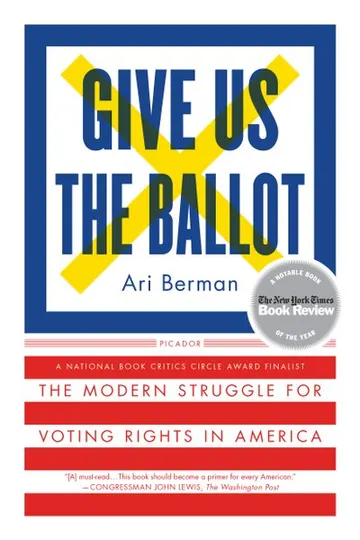
Give Us the Ballot (opens Bookshop.org)
Ari Berman · 2015
Journalist Ari Berman follows the fights over the Voting Rights Act from 1965 to the 2013 Shelby County decision and argues that new state laws restrict minority voting.
-
Background
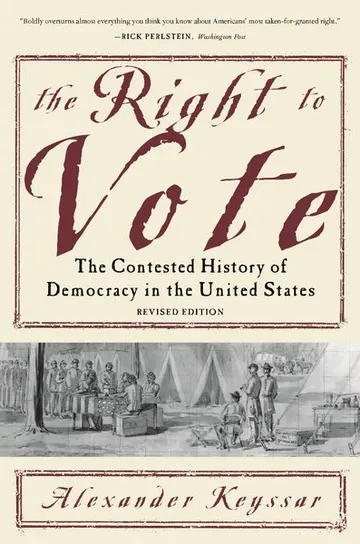
The Right to Vote (opens Bookshop.org)
Alexander Keyssar · 2000
Harvard historian Alexander Keyssar tracks how suffrage in America expanded and contracted over two centuries, covering property, race, gender, immigration and residency rules.
-
Background
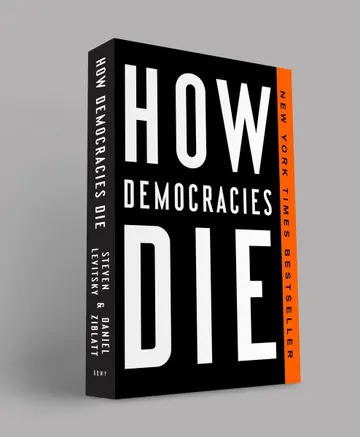
How Democracies Die (opens Bookshop.org)
Steven Levitsky and Daniel Ziblatt · 2018
Harvard political scientists Steven Levitsky and Daniel Ziblatt compare democratic breakdowns in Europe and Latin America and the U.S., stressing party gatekeeping and unwritten norms.
-
Argues from the right
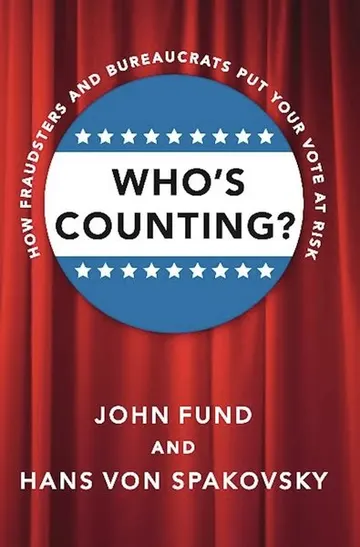
Who's Counting? (opens Bookshop.org)
John Fund and Hans von Spakovsky · 2012
Journalist John Fund and former Justice Department official Hans von Spakovsky document cases of fraud and lax administration and argue for voter ID and tighter election rules.
About this file
Everything here was shipped by the daily brief and verified before it appeared: each quote was checked character for character against the source it is linked to. This file separates two things a reader should never have to untangle: how each camp framed the issue, taken from that camp's own outlets, and who is on the record, grouped by the person who spoke. An outlet can quote anyone, so a quote it printed is the speaker's, not the camp's. Checkable claims are tracked to resolution on the claim ledger, and the day-by-day story files live in the story tracker.
One issue, on the record
See who actually took a position.
The daily brief records the arguments around an issue in each actor’s own verified words. Free.
Arrives around 6am ET. Free, and it stays that way.
Cancel anytime. Nothing on the site goes behind a paywall.
One payment through Stripe. No account needed.